


Fresh Air Showdown: Which Indoor Ventilation System Is Right for You?
We spend up to 90% of our time indoors, yet many of us overlook one of the most critical factors for our health and comfort: the quality of the air we breathe. Stale air, excess moisture, allergens, and hidden pollutants like VOCs (volatile organic compounds) can build up over time, leading to headaches, fatigue, allergies, and even long-term respiratory issues. The solution? A reliable indoor ventilation system—but with so many options on the market, how do you choose the one that fits your home, lifestyle, and budget?
In this fresh air showdown, we’ll break down the most common indoor ventilation systems, their pros and cons, and who they’re best suited for. By the end, you’ll have all the knowledge you need to pick a system that keeps your air fresh, your space comfortable, and your family healthy.
Before we dive into the showdown, let’s talk about why ventilation isn’t just a “nice-to-have”—it’s a necessity. Poor indoor air quality (IAQ) doesn’t just make you feel sluggish; it can damage your home too. Excess moisture from cooking, showering, or even breathing can lead to mold growth and structural damage, while stagnant air traps pollutants like dust, pet dander, and cleaning chemical fumes.
Modern homes are built to be airtight to improve energy efficiency, which is great for reducing utility bills—but it also traps bad air inside. Without a way to exchange stale indoor air for fresh outdoor air, these pollutants accumulate, putting your health and your home at risk. That’s where ventilation systems come in: they’re designed to keep air moving, balancing fresh air intake with stale air exhaust to maintain optimal IAQ.
Not all ventilation systems are created equal. Each has its own strengths, weaknesses, and ideal use cases. Let’s meet the contenders and see how they stack up.
Natural ventilation is the simplest form of ventilation—think opening windows, doors, or using trickle vents to let fresh air in and stale air out. It relies on wind and thermal buoyancy (warm air rising, cool air sinking) to create airflow, with no mechanical parts or energy usage.
Pros: Completely free to operate, eco-friendly, and requires zero maintenance. It’s perfect for mild climates where outdoor air quality is good, and it adds a refreshing cross-breeze to your home.
Cons: Highly dependent on weather conditions—no wind means no airflow. It’s also unpredictable: you can’t control how much air comes in, and it won’t work well in extreme heat, cold, or polluted areas. For airtight modern homes, natural ventilation alone is often insufficient to keep air fresh.
Best For: Homes in mild climates with good outdoor air quality, or as a supplementary ventilation method for other systems. Great for renters who can’t install permanent fixtures.
Exhaust ventilation systems work by creating negative pressure in your home: a fan (usually installed in high-moisture areas like bathrooms, kitchens, or basements) pulls stale, humid air out, and fresh air is drawn in through cracks in the building envelope or passive vents. It’s a simple, affordable option that focuses on removing air from the areas where pollutants and moisture build up most.
Pros: Inexpensive to install and operate, easy to maintain, and effective at reducing moisture in specific areas. Works well in cold climates, as it doesn’t introduce cold air directly into living spaces (though you may need to mix indoor and outdoor air to avoid drafts).
Cons: Can draw in pollutants from outside (like dust or allergens) through leaks in the home. Not ideal for hot, humid climates, as it can pull moist outdoor air into wall cavities, leading to condensation and mold. It also relies on random air leakage, which can be inconsistent.
Best For: Homes in cold climates, small spaces, or anyone on a budget. Perfect for targeting problem areas like bathrooms or kitchens where moisture is a major concern.
Supply ventilation is the opposite of exhaust ventilation: it uses a fan to push fresh outdoor air into your home, creating positive pressure that forces stale air out through cracks or exhaust vents. Unlike exhaust systems, it lets you filter the incoming air, removing pollutants before they enter your home.
Pros: More controlled than exhaust systems—you can filter incoming air to reduce allergens and dust. Prevents backdrafting of combustion gases from fireplaces or appliances, making it safer for homes with gas heaters or stoves. Works well in hot, humid climates, as it can dehumidify incoming air before it enters your home.
Cons: Can cause moisture problems in cold climates, as cold incoming air can condense on windows and walls. It doesn’t temper or remove moisture from incoming air on its own, which can increase heating and cooling costs. Installation is slightly more complex than exhaust systems, as it requires ductwork for air distribution.
Best For: Homes in hot or mixed climates, or homes with gas appliances (to prevent backdrafting). Great for anyone who wants more control over the quality of incoming fresh air.
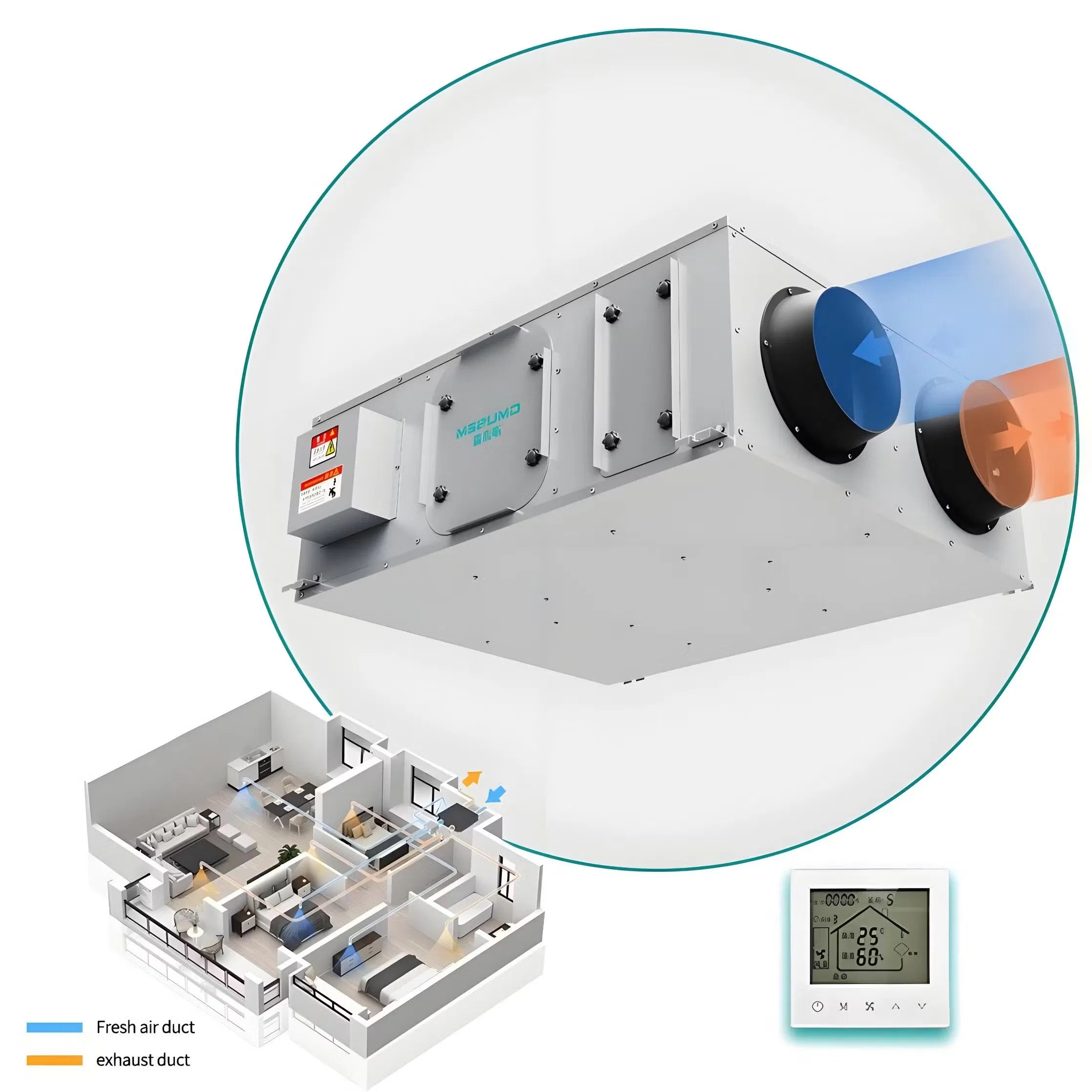
Balanced ventilation systems combine the best of exhaust and supply systems: they have two fans—one to bring in fresh air and one to push out stale air—creating neutral pressure in your home. This means no air is drawn in through leaks, and no air is forced out unnecessarily. Most balanced systems also include filters for incoming air, ensuring fresh, clean air circulates throughout your home.
Pros: Works well in all climates, as it maintains balanced pressure and controls both intake and exhaust. Prevents moisture buildup and pollutant infiltration, making it ideal for airtight modern homes. Provides consistent, reliable airflow year-round.
Cons: More expensive to install and operate than exhaust or supply systems. It doesn’t temper or remove moisture from incoming air, so you may need to pair it with a dehumidifier or heater in extreme climates. Can increase heating and cooling costs if not paired with a heat recovery system.
Best For: Modern, airtight homes in any climate. Great for families with allergies or respiratory issues, as it filters incoming air and maintains consistent IAQ.
ERV and HRV systems are advanced balanced ventilation systems that add a key feature: heat recovery. They transfer heat (and in the case of ERVs, moisture) between the outgoing stale air and incoming fresh air, reducing the energy needed to heat or cool the fresh air. This makes them the most energy-efficient ventilation option on the market.
HRVs focus on heat transfer, making them ideal for cold climates, while ERVs transfer both heat and moisture, perfect for hot, humid climates (they remove excess moisture from incoming air in summer and add moisture in winter).
Pros: Extremely energy-efficient, reducing heating and cooling costs by up to 30%. Maintains balanced pressure and filters incoming air. Prevents moisture buildup and mold, and keeps indoor temperatures consistent. Available in both small wall-mounted models and central systems for whole-home coverage.
Cons: The most expensive to install. Requires more maintenance than other systems (filters need regular cleaning/replacement). May not be cost-effective in mild climates, where heating and cooling needs are minimal. Finding contractors with experience installing these systems can be challenging.
Best For: Homes in extreme climates (very cold or very hot/humid), energy-conscious homeowners, or anyone looking for the most efficient, high-performance ventilation system. Great for large homes or families who want year-round comfort and savings.
Now that you know the contenders, it’s time to pick a winner for your home. Here’s a quick guide to help you decide:
On a tight budget? Go with exhaust ventilation (for cold climates) or supply ventilation (for hot climates). Natural ventilation is a great free supplement.
Modern, airtight home? Balanced ventilation or ERV/HRV is your best bet—they maintain pressure and prevent pollutant buildup.
Extreme climate? ERV (hot/humid) or HRV (cold) will save you money on energy bills while keeping air fresh.
Renter or small space? Natural ventilation or a portable exhaust fan is easy to install and remove.
Allergies or respiratory issues? Prioritize systems with HEPA filters (ERV/HRV, supply ventilation) to remove allergens from incoming air.
No matter which system you choose, there are a few key things to keep in mind to ensure it works effectively:
Size matters: Choose a system that’s properly sized for your home—too small, and it won’t circulate enough air; too large, and it will waste energy.
Maintain regularly: Clean or replace filters every 3–6 months (more often if you have pets or allergies) to keep your system running efficiently.
Pair with other tools: Dehumidifiers can help with excess moisture, while air purifiers add an extra layer of filtration for homes with high pollutant levels.
Consult a professional: If you’re unsure which system is right for you, an HVAC expert can assess your home’s layout, climate, and needs to recommend the perfect fit.
The fresh air showdown doesn’t have a single “winner”—the best ventilation system is the one that fits your home and lifestyle. Whether you opt for a simple exhaust fan, a high-efficiency ERV, or a combination of natural and mechanical ventilation, the goal is the same: to keep your indoor air fresh, clean, and healthy.
Investing in the right ventilation system isn’t just about comfort—it’s an investment in your health and the longevity of your home. So take the time to assess your needs, weigh the pros and cons, and choose the system that will help you breathe easy for years to come.
Got questions about which system is right for your space? Drop a comment below, and we’ll help you find your perfect fresh air solution!
 18705226241


