


In an era where energy efficiency and indoor comfort are non-negotiable—for both homeowners and businesses—heat exchanger HVAC systems have emerged as a game-changing solution. These systems, often integrated into ventilation setups like ERVs (Energy Recovery Ventilators) and HRVs (Heat Recovery Ventilators), bridge the gap between fresh air intake and energy conservation, addressing two of the biggest pain points in traditional HVAC use. Whether you’re a homeowner looking to cut utility bills, a facility manager aiming to improve workplace comfort, or a business owner in the ventilation industry, understanding how heat exchanger HVAC systems work, their key benefits, and their practical applications is essential to making informed decisions. Let’s break down the fundamentals, debunk common myths, and highlight why these systems are becoming a staple in modern buildings worldwide.
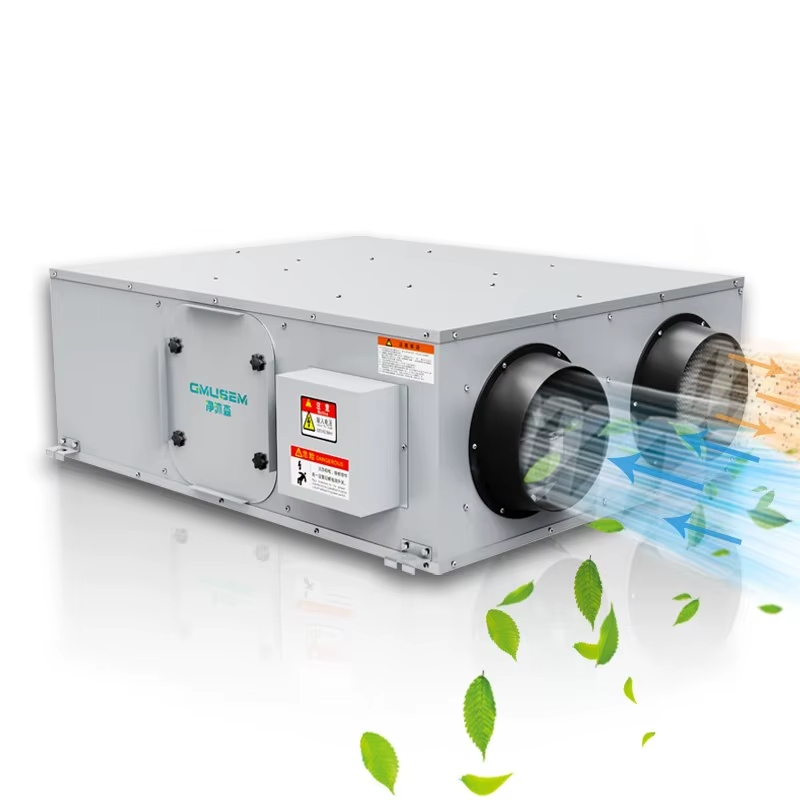
At their core, heat exchanger HVAC systems are designed to transfer heat (and in some cases, moisture) between the indoor air being exhausted and the fresh outdoor air being brought into a building. Unlike traditional ventilation systems, which simply push outdoor air in and indoor air out—wasting the heated or cooled air already in your space—heat exchangers recover the thermal energy from the exhaust air and use it to pre-condition the incoming fresh air. This process reduces the workload on your heating and cooling equipment, leading to significant energy savings without sacrificing indoor air quality.
The two most common types of heat exchanger HVAC systems used in residential and commercial settings are:
HRVs (Heat Recovery Ventilators): Focus on transferring sensible heat (temperature) between exhaust and supply air. Ideal for dry climates where maintaining humidity levels isn’t a top priority, HRVs are often used in regions with extreme temperature fluctuations, such as Central Asia, parts of North America, and Eastern Europe.
ERVs (Energy Recovery Ventilators): Transfer both sensible heat (temperature) and latent heat (moisture) between air streams. This dual recovery makes ERVs perfect for humid or temperate climates—like Southeast Asia, coastal Europe, or parts of Latin America—where controlling indoor humidity is just as important as regulating temperature for comfort and mold prevention.
The biggest advantage of heat exchanger HVAC systems is their ability to deliver both energy efficiency and enhanced comfort—two goals that often feel contradictory with traditional HVAC. Let’s break down how they achieve this:
Traditional ventilation systems waste a significant amount of energy by exhausting conditioned air (heated in winter, cooled in summer) and replacing it with outdoor air that requires full heating or cooling. Heat exchangers eliminate this waste by recovering up to 80% of the thermal energy from the exhaust air. For example:
In winter: Cold outdoor air passes through the heat exchanger, where it absorbs heat from the warm indoor air being exhausted. This pre-heated air requires less energy from your furnace to reach a comfortable temperature.
In summer: Hot outdoor air is cooled by the cool indoor air being exhausted, reducing the load on your air conditioner and lowering energy consumption.
Studies show that heat exchanger HVAC systems can reduce heating and cooling energy use by 20-40% compared to traditional systems—translating to lower monthly utility bills and a smaller carbon footprint. For commercial buildings with high ventilation needs (like offices, schools, or retail spaces), these savings can be even more substantial over time.
Comfort isn’t just about temperature—it’s about consistent humidity levels, fresh air, and avoiding drafts or hot/cold spots. Heat exchanger HVAC systems excel in all these areas:
Consistent Temperatures: By pre-conditioning incoming air, heat exchangers prevent sudden temperature spikes or drops that occur with traditional ventilation. This means no more cold blasts of outdoor air in winter or hot, stuffy air in summer—just steady, comfortable air flow.
Humidity Control (ERVs): ERVs transfer moisture between air streams, helping to maintain optimal indoor humidity levels (between 30-50%). In humid climates, this reduces condensation, mold growth, and that “sticky” feeling. In dry climates, it prevents indoor air from becoming too dry, which can cause dry skin, respiratory issues, and damage to furniture.
Fresh, Clean Air: Unlike recirculating HVAC systems, heat exchanger setups continuously bring in fresh outdoor air and exhaust stale, polluted indoor air (containing CO2, allergens, volatile organic compounds, and odors). This improves indoor air quality, which is critical for health—especially for people with allergies, asthma, or those who spend long hours indoors.
Despite their benefits, there are some common misconceptions that prevent people from adopting heat exchanger HVAC systems. Let’s set the record straight:
Myth 1: They’re Too Expensive to Install. While heat exchanger systems may have a slightly higher upfront cost than traditional ventilation systems, the long-term energy savings more than offset this investment. Most homeowners and businesses recoup the installation cost within 2-5 years through lower utility bills. Additionally, many regions offer rebates or incentives for installing energy-efficient HVAC systems, further reducing costs.
Myth 2: They Require High Maintenance. Heat exchangers are relatively low-maintenance. Regular filter changes (every 3-6 months) and annual cleaning of the heat exchanger core are usually sufficient to keep the system running efficiently. Modern systems are also designed with durability in mind, with long lifespans (10-15 years) when properly maintained.
Myth 3: They Only Work in Extreme Climates. While heat exchangers shine in regions with large temperature fluctuations (like winter cold or summer heat), they’re beneficial in all climates. Even in mild climates, they improve indoor air quality and reduce energy use by pre-conditioning incoming air—making them a worthwhile investment anywhere.
Heat exchanger HVAC systems are versatile and beneficial for a wide range of applications, including:
Homeowners: Perfect for single-family homes, apartments, and condos—especially those in climates with extreme temperatures or high humidity. They’re also ideal for homes with energy-efficient windows (which reduce air leakage, making ventilation more important) or families with health concerns related to indoor air quality.
Commercial Buildings: Offices, schools, hospitals, hotels, and retail spaces benefit from consistent comfort, improved air quality (which boosts productivity and customer satisfaction), and lower energy costs—critical for large spaces with high ventilation demands.
Industrial Facilities: Factories, warehouses, and manufacturing plants can use heat exchangers to improve indoor air quality for workers while reducing energy use associated with heating and cooling large spaces.
In today’s world, where energy efficiency and indoor comfort are more important than ever, heat exchanger HVAC systems offer a practical, cost-effective solution. They eliminate the trade-off between fresh air and energy savings, delivering consistent comfort, better indoor air quality, and lower utility bills—all while reducing your carbon footprint. Whether you’re upgrading your home’s ventilation or outfitting a commercial building, understanding the role of heat exchangers (and the difference between ERVs and HRVs) is key to choosing the right system for your needs.
As the demand for energy-efficient and comfortable indoor spaces continues to grow, heat exchanger HVAC systems are no longer a “nice-to-have”—they’re a “must-have” for modern buildings. By investing in these systems, you’re not just saving money—you’re investing in the health, comfort, and sustainability of your space for years to come
 18705226241


