


ERV: Energy Recovery Ventilation Explained Simply
Have you ever noticed that your home feels stuffy, stale, or humid even with the windows closed? Or wondered how to enjoy fresh indoor air all year round without skyrocketing your heating and cooling bills? If this sounds familiar, an ERV system might be the simple, smart solution you’ve been looking for. Today, we’re breaking down everything you need to know about ERV (Energy Recovery Ventilation) in plain, easy-to-understand terms — no complicated engineering jargon required.
ERV stands for Energy Recovery Ventilation. It is a whole-home ventilation system designed to solve two common indoor air problems at once: poor indoor air quality and wasted energy. Unlike basic exhaust fans that only push stale air out or open windows that let conditioned air escape, ERV works as a two-way air exchange system that balances fresh air intake and energy conservation.
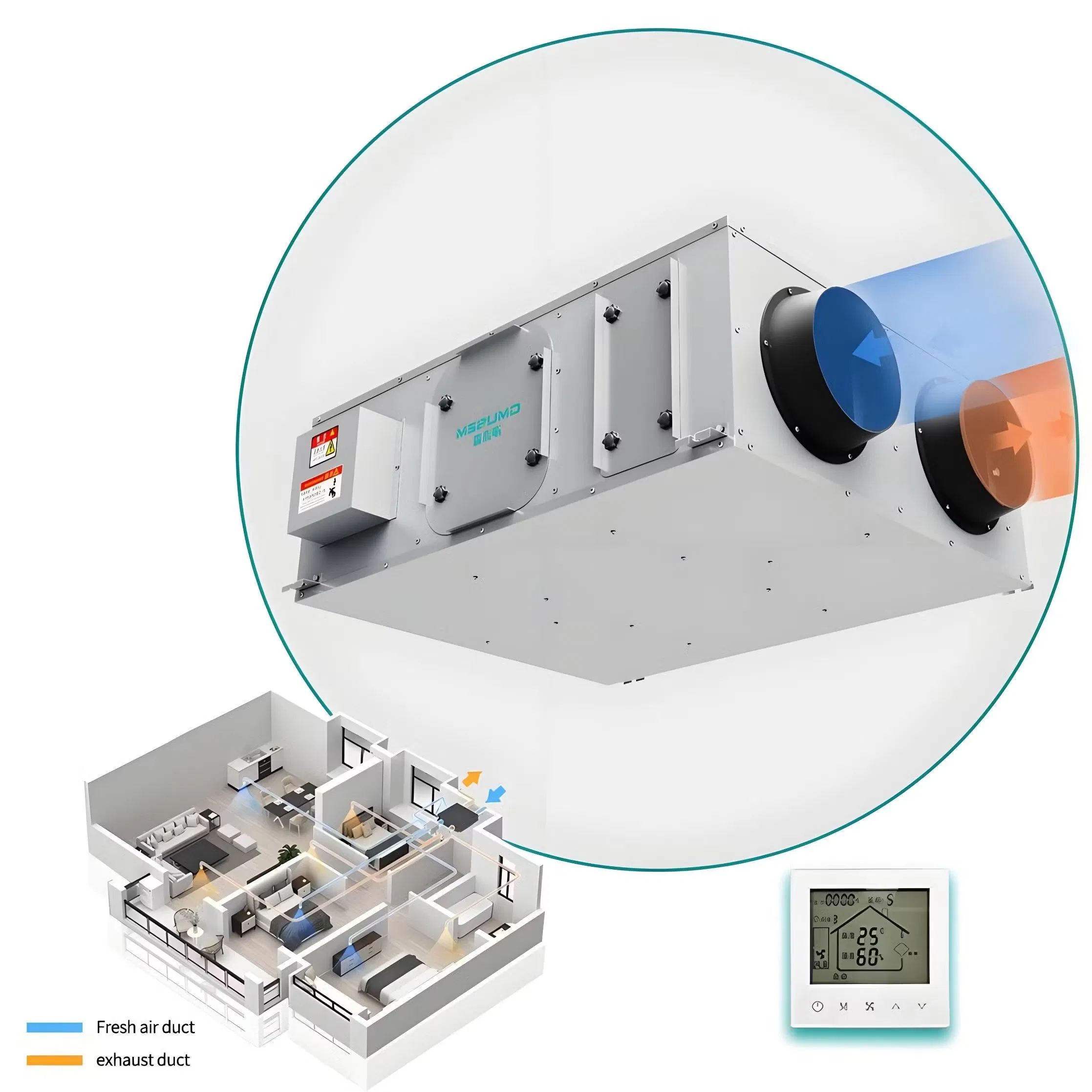
At its core, an ERV continuously pulls stale, polluted indoor air out of your living space while drawing in fresh, clean outdoor air. The key difference that sets ERV apart from ordinary ventilation tools is its built-in heat and moisture recovery core. This special core transfers energy between the outgoing stale air and incoming fresh air, minimizing energy loss during the ventilation process.
You don’t need a technical background to understand how ERV operates. Here is its simple working process:
First, the system’s fans activate to circulate air. Stale indoor air that is full of dust, excess humidity, carbon dioxide, and unpleasant odors is extracted from rooms like bedrooms, kitchens, and living rooms. Before this stale air is exhausted outside, it passes through the ERV’s heat exchange core.
Meanwhile, fresh outdoor air is filtered and drawn into the same core. The outgoing indoor air transfers its temperature and moisture energy to the incoming fresh air. In winter, it warms up the cold outdoor air; in summer, it cools down the hot outdoor air. After energy exchange, the pre-conditioned fresh air is distributed evenly into your home.
This entire process runs automatically. It refreshes your indoor air constantly without letting your indoor heating or cooling energy leak out — that’s the magic of energy recovery ventilation.
Modern homes are built to be airtight for better insulation, which traps pollutants indoors. Over time, accumulated CO₂, dust mites, mold spores, pet dander, and volatile organic compounds (VOCs) can cause stuffy air, allergies, headaches, and poor sleep. ERV replaces stale indoor air with filtered outdoor air 24/7, maintaining clean, breathable air inside your home all year long.
Opening windows for ventilation wastes tons of energy. In winter, warm indoor air escapes and cold air floods in, forcing your heater to work overtime. In summer, cool conditioned air leaks out while hot humid air enters, increasing your air conditioner’s load. ERV recovers up to 70% or more of the indoor air’s energy, greatly reducing the workload of your heating and cooling systems and lowering your monthly energy bills.
One unique advantage of ERV (compared with HRV systems) is moisture transfer. It adjusts indoor humidity levels by exchanging moisture between inbound and outbound air. It prevents overly dry air in winter and muggy, damp air in summer, creating a more comfortable living environment and reducing the risk of mold and mildew growth on walls and furniture.
No more stuffy bedrooms, smelly living rooms, or uneven indoor temperatures. ERV delivers uniform fresh air circulation throughout your house, eliminating stagnant air pockets and keeping every room feeling fresh and comfortable in every season.
ERV systems are perfect for nearly all modern residential and light commercial spaces. They are especially ideal for airtight new homes, renovated houses, apartments, offices, and rooms with poor natural ventilation. If you live in an area with extreme winter or summer temperatures, suffer from seasonal allergies, or want to improve indoor comfort while saving energy, an ERV system is a worthwhile investment.
Ventilation is not just about letting fresh air in — it’s about ventilating smartly. Traditional ventilation methods force you to choose between fresh air and low energy consumption, but ERV eliminates this trade-off. It brings you clean, fresh, humidity-balanced indoor air while slashing unnecessary energy waste from your HVAC system.
Simply put, ERV is a quiet, efficient, and cost-effective upgrade for any modern space. It turns your airtight, energy-efficient home into a healthier, more comfortable place to live, all year round.
 18705226241


