


If you’ve been researching whole-home ventilation for your modern, energy-efficient house, you’ve almost certainly come across two key terms: ERV and HRV. These balanced ventilation systems are game-changers for indoor air quality (IAQ) and energy efficiency, especially in tightly sealed homes that lack natural air leakage. But choosing between an Energy Recovery Ventilator (ERV) and a Heat Recovery Ventilator (HRV) can feel confusing—many homeowners struggle to tell them apart or pick the right fit for their climate and lifestyle.
The good news is you don’t need an HVAC engineering degree to make an informed choice. This guide breaks down everything homeowners need to know about ERVs and HRVs: how they work, their core differences, which climate and home type each suits best, and key tips to maximize performance. By the end, you’ll know exactly which ventilation system aligns with your comfort, budget, and long-term home goals.
Gone are the days of drafty, leaky homes that let fresh air seep in naturally. Today’s homes are built with superior insulation, airtight windows, and sealed building envelopes to cut energy waste—and that’s a win for utility bills. But this airtightness comes with a catch: stale, polluted indoor air gets trapped, leading to issues like:
Excess humidity (mold, mildew, and musty odors)
Dry, irritated air (chapped skin, scratchy throats, and static electricity)
Buildup of indoor pollutants (cooking fumes, cleaning product chemicals, pet dander, and CO₂)
Strained HVAC systems (overworking to heat/cool unconditioned outdoor air)
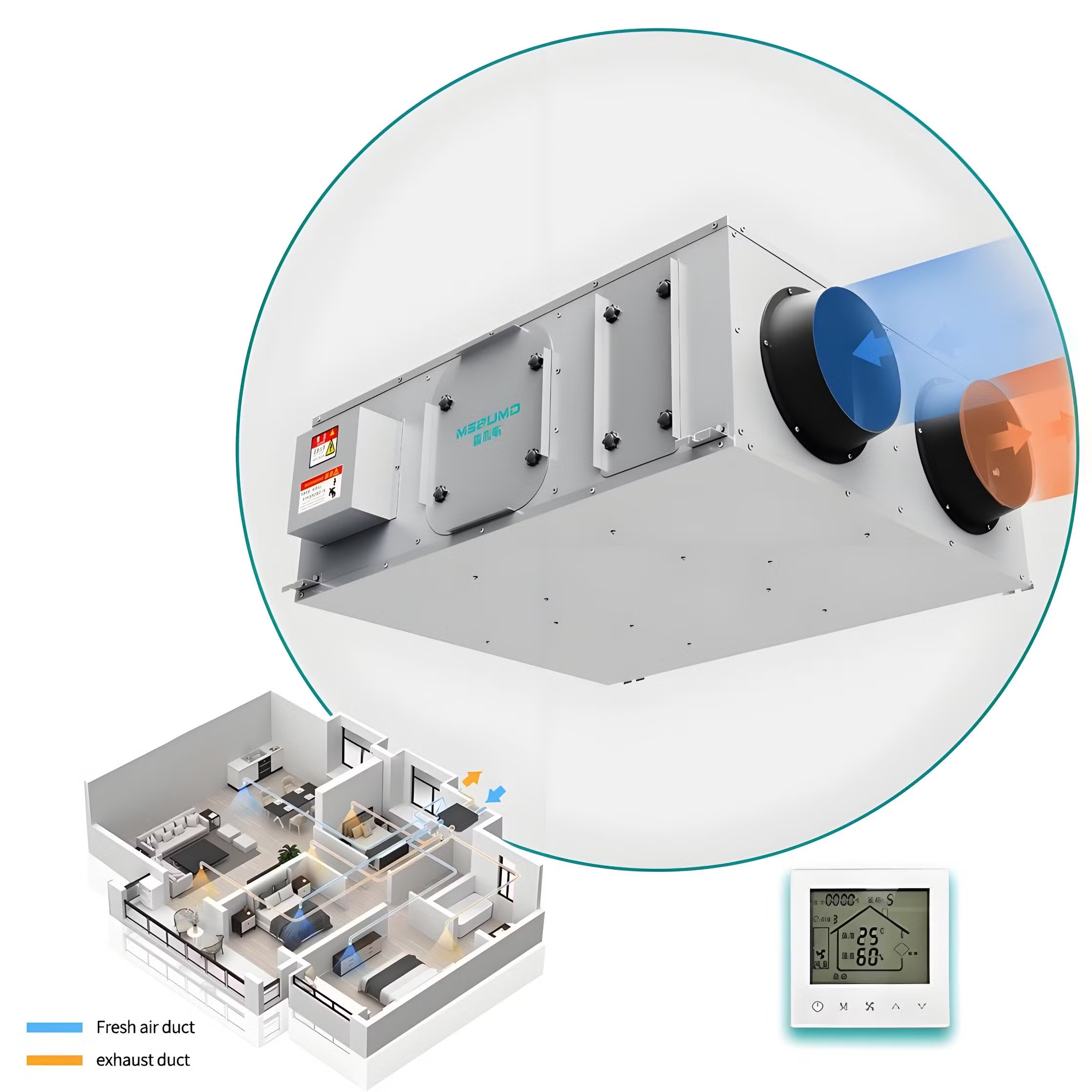
ERVs and HRVs solve this by creating a balanced air exchange: they pull fresh, filtered outdoor air into your home while expelling stale indoor air—all without wasting massive amounts of energy. Both systems recover thermal energy from the exhaust air to temper incoming air, but their handling of moisture is what separates them entirely.
At their heart, both ventilation systems perform the same basic function: air exchange with energy recovery. The defining distinction is moisture transfer:
An HRV focuses solely on heat transfer. It captures heat from warm, stale exhaust air and transfers it to cold, fresh incoming air during winter. In summer, it works in reverse, expelling heat from conditioned indoor air to cool down warm outdoor air before it enters your home. Crucially, HRVs do NOT transfer moisture between air streams—they only move heat.
An ERV does everything an HRV does, plus moisture transfer (also called enthalpy recovery). Using a specialized membrane core, it moves both heat and water vapor between incoming and outgoing air. This means in dry winter months, it retains vital indoor moisture to prevent overly dry air; in humid summer months, it expels excess moisture to keep indoor humidity balanced and reduce strain on your air conditioner.
Quick Cheat Sheet: HRV = Heat only | ERV = Heat + Moisture
The best ventilation system for you hinges on your local climate, your home’s airtightness, and your humidity concerns. Below is a clear breakdown to help you decide:
HRVs shine in regions with long, frigid winters and low humidity (think northern U.S. states, Canada, and upper Midwest areas). Here’s why it’s the ideal pick:
Maximizes heat retention in winter, slashing heating costs without adding unwanted moisture.
Eliminates excess indoor humidity that can build up in tight homes during cold weather (reducing mold and condensation risks).
Simpler design often means a lower upfront cost and minimal maintenance (no moisture-related components to service).
ERVs are the superior choice for humid southern climates, coastal regions, and areas with extreme seasonal humidity swings. They’re also perfect for ultra-airtight new builds where moisture control is a year-round priority:
Balances indoor humidity in both summer and winter: prevents muggy, sticky air in hot months and overly dry air in cold months.
Reduces the workload of your AC and dehumidifier, cutting cooling costs in humid weather.
Minimizes frost buildup on the ventilation core in cold climates, reducing defrost cycles and energy waste.
More versatile for year-round comfort, adapting to shifting weather and humidity levels.
While they differ in moisture management, both ventilation systems deliver massive perks for homeowners:
Boosted Indoor Air Quality: Constantly flushes out pollutants, allergens, and stale air, replacing it with filtered fresh air.
Lower Energy Bills: Recovers up to 70-85% of thermal energy that would otherwise be lost, reducing HVAC runtime.
Improved Home Comfort: Eliminates stuffy rooms, dry air irritation, and humidity-related discomfort.
Extended HVAC Lifespan: Reduces strain on heating and cooling equipment, lowering repair and replacement costs.
Healthier Living Environment: Reduces mold, mildew, and indoor air toxins, benefiting allergy and asthma sufferers.
Investing in an ERV or HRV is only half the battle—proper installation and maintenance ensure it runs efficiently for years:
Size It Correctly: Never guess on sizing. Work with a licensed HVAC professional to match the system to your home’s square footage, occupancy, and local building codes. An undersized unit won’t ventilate properly; an oversized unit wastes energy.
Opt for HVI-Certified Products: Choose units certified by the Home Ventilating Institute (HVI) for guaranteed performance and compliance with industry standards—avoid cheap, uncertified models that overpromise and underdeliver.
Prioritize Regular Maintenance: Replace filters every 2-3 months (or as recommended) to keep airflow clear and air quality high. Schedule annual professional inspections to clean the core, check fans, and fix small issues before they escalate.
Run It Continuously (Not Just When HVAC Runs): These systems work best on low, continuous speed rather than intermittent use. This maintains steady air exchange, maximizes energy recovery, and avoids sudden comfort swings.
Pair with Smart Controls: Many modern ERVs and HRVs integrate with smart thermostats and humidity sensors, automatically adjusting airflow based on indoor conditions for hands-off efficiency.
When it comes down to it, neither ERVs nor HRVs are inherently “better”—they’re just designed for different needs. If you live in a cold, dry climate and prioritize heat retention, an HRV is your perfect match. If you battle humidity year-round or want versatile, all-season comfort, an ERV is the smarter investment.
The biggest win for any homeowner is ditching reliance on natural air leaks and installing a balanced ventilation system. Not only will you breathe cleaner, healthier air, but you’ll also save money on energy bills and protect your home from moisture damage. Consult a local HVAC expert to assess your climate, home, and goals, and you’ll be on your way to a fresher, more efficient home in no time.
Ready to upgrade your home’s ventilation? Start by getting a free in-home assessment from a trusted HVAC pro to find your ideal ERV or HRV fit!
 18705226241


