


In modern, tightly sealed homes built for energy efficiency, poor indoor air quality is a common yet overlooked problem. Stale air, excess moisture, indoor pollutants, and stuffy atmospheres can quickly diminish comfort, trigger allergies, and even impact long-term health. That’s where ERV and HRV systems come in—these whole-home ventilation solutions are designed to refresh indoor air without wasting energy, making them essential upgrades for any modern household.
If you’re confused about the difference between ERVs and HRVs, or unsure which one aligns with your climate, home layout, and budget, this complete buying guide breaks down everything you need to know. From core functionality and climate suitability to key features, sizing, and maintenance, we’ll help you make a confident, informed choice for your home.
First, let’s clear up the fundamentals: both Energy Recovery Ventilators (ERVs) and Heat Recovery Ventilators (HRVs) are balanced mechanical ventilation systems. Unlike basic exhaust fans or portable air purifiers, these systems work by continuously pulling stale, polluted air out of your home while bringing in fresh, filtered outdoor air—maintaining equal air exchange to avoid negative or positive air pressure that can damage your home’s structure or reduce HVAC efficiency.
The biggest advantage of both systems is their energy recovery capability. Instead of letting conditioned indoor air escape directly outside (wasting heat in winter and cool air in summer), they transfer energy between the outgoing and incoming air streams, recapturing up to 70-85% of the energy that would otherwise be lost. This keeps your home comfortable while cutting down on heating and cooling costs year-round.
HRVs focus solely on transferring sensible heat—the temperature of the air—between the exhaust and supply air streams. They do not exchange moisture, meaning they maintain consistent indoor humidity levels by neither adding nor removing water vapor from the air. This makes them ideal for specific climate conditions where moisture control isn’t a top priority.
ERVs go a step further, transferring both sensible heat (temperature) and latent heat (moisture) between air streams. This dual functionality allows them to balance indoor humidity: in dry winter months, they lock in much-needed moisture; in hot, humid summers, they expel excess dampness from the home. For homeowners in variable or humid climates, this humidity regulation is a game-changer for daily comfort and air quality.
The single most important factor when choosing between an ERV and HRV is your local climate. Picking the wrong system for your region can lead to poor performance, uncomfortable humidity levels, and wasted energy. Below is a breakdown of their ideal use cases and core differences to simplify your decision:
HRVs shine in regions with long, frigid winters and low ambient humidity—think northern U.S. states, Canada, and other cold, arid zones. Since they don’t remove moisture, they prevent indoor air from becoming overly dry during heating season, which reduces dry skin, irritated sinuses, and static electricity. They also offer reliable performance in sub-freezing temperatures with proper defrost settings, making them the most practical choice for extreme cold climates.
ERVs are the top pick for areas with hot, humid summers, mild winters, or fluctuating humidity levels—including southern U.S. states, coastal regions, and the Midwest. Their moisture-transferring ability fights against sticky summer humidity, mold growth, and musty odors, while also keeping indoor air from drying out in winter. It’s important to note that most ERVs are not recommended for prolonged temperatures below 25°F (-4°C), as freezing can damage the moisture-sensitive heat exchanger.
Choose HRV: Cold, dry winters; extreme sub-freezing temperatures; low annual humidity.
Choose ERV: Hot, humid summers; mild winters; high or fluctuating humidity; coastal locations.
Mild, Neutral Climates: Both systems work, but prioritize energy efficiency ratings and sizing for maximum value.
Once you’ve narrowed down your choice to an ERV or HRV, it’s time to evaluate key features to ensure you invest in a high-quality, durable, and efficient system. Don’t settle for a basic model—these features will dictate performance, longevity, and long-term savings:
Efficiency is non-negotiable for maximizing energy savings. Look for ENERGY STAR certified models, as these meet strict efficiency guidelines set by environmental agencies. Key ratings to check include:
Sensible Heat Recovery Efficiency (SRE): For HRVs, aim for a minimum of 60% efficiency; for ERVs, target 65% or higher.
Total Energy Recovery Efficiency (TRE): Exclusive to ERVs, this measures combined heat and moisture transfer—higher ratings mean better humidity and energy control.
Airflow Efficiency (CFM/Watt): Higher cubic feet per minute per watt of electricity means lower operating costs and quieter performance.
An undersized system won’t adequately ventilate your home, while an oversized system will waste energy and create drafts. Follow the ASHRAE 62.2 ventilation standards—the industry benchmark for residential ventilation. A general rule of thumb is 0.35 CFM per square foot of living space, with adjustments for occupancy, home tightness, and local building codes. Always consult a professional to calculate exact sizing for your home.
Opt for systems with variable-speed fans over single-speed models. Variable-speed fans allow you to adjust airflow based on your needs—lower speeds for quiet nighttime operation, higher speeds for cooking, cleaning, or high occupancy. This customization boosts efficiency and reduces noise pollution, a major plus for bedrooms and living spaces.
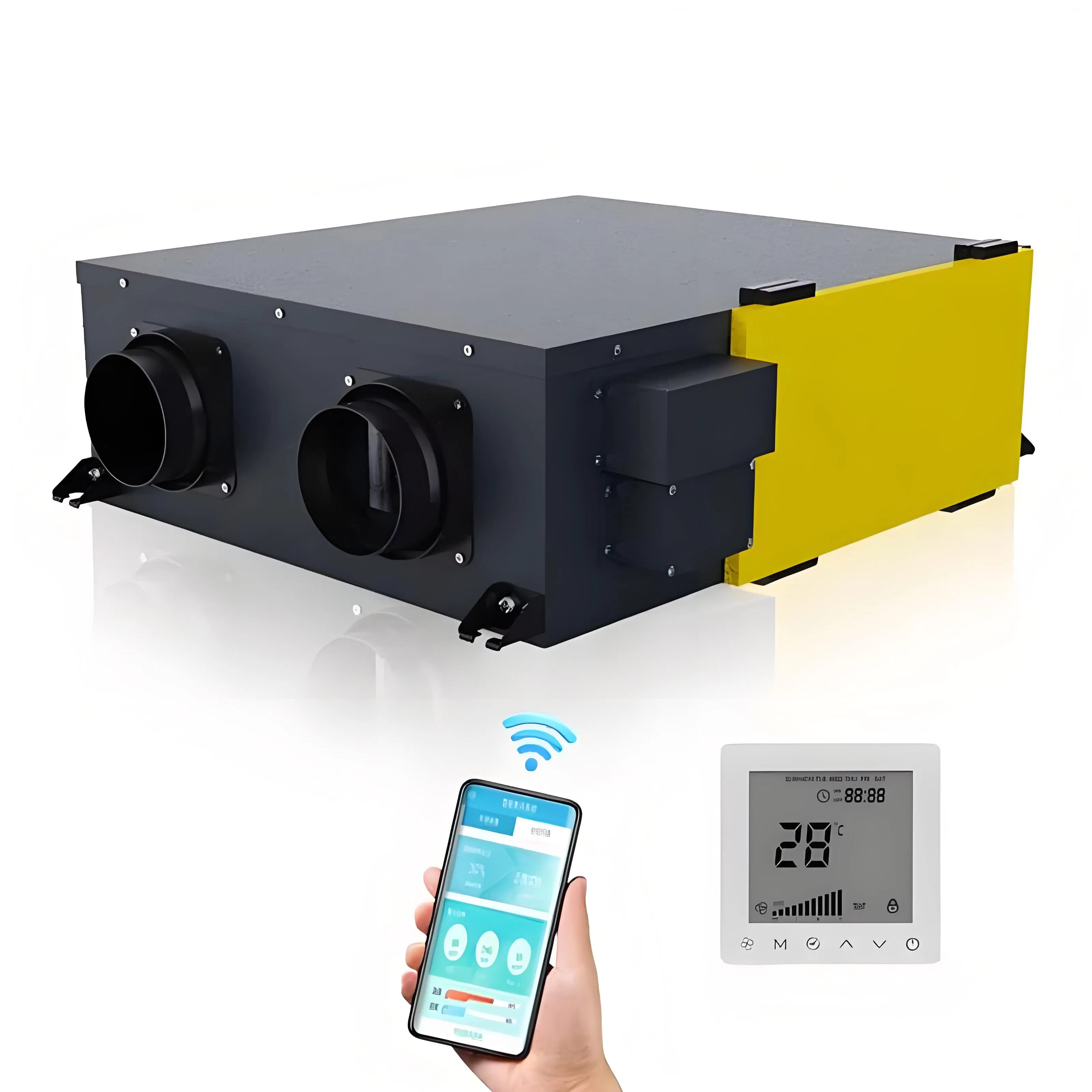
Modern ventilation systems come with a range of control options, from basic manual dials to smart, automated setups. Look for models with built-in humidity and temperature sensors that auto-adjust airflow based on indoor conditions—this eliminates guesswork and ensures consistent air quality. For tech-savvy homeowners, Wi-Fi-enabled systems with app integration and voice assistant compatibility (Alexa, Google Home) offer remote control and scheduling for added convenience.
A ventilation system is only effective if it’s well-maintained. Prioritize models with removable, washable or replaceable filters (aim for filters that last 1-3 months) and easy-access panels for quick cleaning of the heat exchanger. For humid climates, choose corrosion-resistant components to prevent mold, mildew, and rust buildup. Avoid cheaply made units with hard-to-reach parts—they’ll lead to costly professional maintenance down the line.
Investing in an ERV or HRV is a long-term investment in home comfort and indoor air quality, not just a short-term expense. Here’s a realistic cost overview to help you budget:
Equipment Cost: Basic HRV units start at $1,500, while high-end whole-home models range from $3,000-$4,500. ERVs typically cost 10-20% more than comparable HRVs, with prices starting at $1,700 and going up to $5,000 for premium models.
Installation Cost: Professional installation adds $1,000-$3,000, depending on home size, existing ductwork, and complexity. Retrofitting a home without dedicated ventilation ducts may cost more than installing in new construction.
ROI & Long-Term Savings: Most homeowners recoup costs through lower energy bills (15-30% savings on heating/cooling) and improved home value. These systems also reduce HVAC wear and tear, extending the lifespan of your heating and cooling equipment, and minimize health-related costs linked to poor indoor air quality.
To get the most out of your ERV or HRV system, follow these pro tips post-purchase:
Always hire a licensed, experienced HVAC professional for installation—improper setup can void warranties and ruin performance.
Stick to a regular maintenance schedule: clean or replace filters monthly, inspect the heat exchanger quarterly, and schedule annual professional tune-ups.
Run the system continuously on low speed instead of intermittent high-speed use—this maintains steady air quality and uses less energy overall.
For cold-climate HRVs, ensure the defrost function is activated in winter to prevent freezing and airflow blockages.
Choosing between an ERV and HRV doesn’t have to be overwhelming. By focusing on your local climate, prioritizing energy efficiency and proper sizing, and investing in a quality, low-maintenance model, you’ll find the perfect ventilation system to transform your home’s indoor air quality. Whether you opt for the moisture-controlling ERV or the cold-climate-friendly HRV, you’ll enjoy fresher air, lower energy bills, and a more comfortable home for years to come.
Ready to upgrade your home ventilation? Start by assessing your climate and consulting a local HVAC expert to find the ideal ERV or HRV model for your space!
 18705226241


