


ERV: The Secret to Fresh, Energy-Efficient Indoor Air
Modern homes are designed to be airtight and well-insulated, keeping conditioned air inside and blocking outdoor weather extremes. While this tight building envelope drastically cuts down energy waste, it creates a hidden problem: stale, polluted indoor air. Without proper ventilation, homes trap dust, allergens, VOCs, excess moisture, and stagnant air, leading to stuffy rooms, poor comfort, and even health issues. This is where an Energy Recovery Ventilator (ERV) steps in—it’s the unsung home upgrade that delivers continuous fresh air without sacrificing your home’s energy efficiency.
Many homeowners face a frustrating dilemma. Opening windows brings fresh air but ruins indoor temperature balance, forcing HVAC systems to work harder and driving up utility bills. Traditional exhaust fans replace stale air but waste all the heat or cooling stored in your indoor air. An ERV solves this problem with smart energy recovery technology, balancing ventilation and energy conservation perfectly.
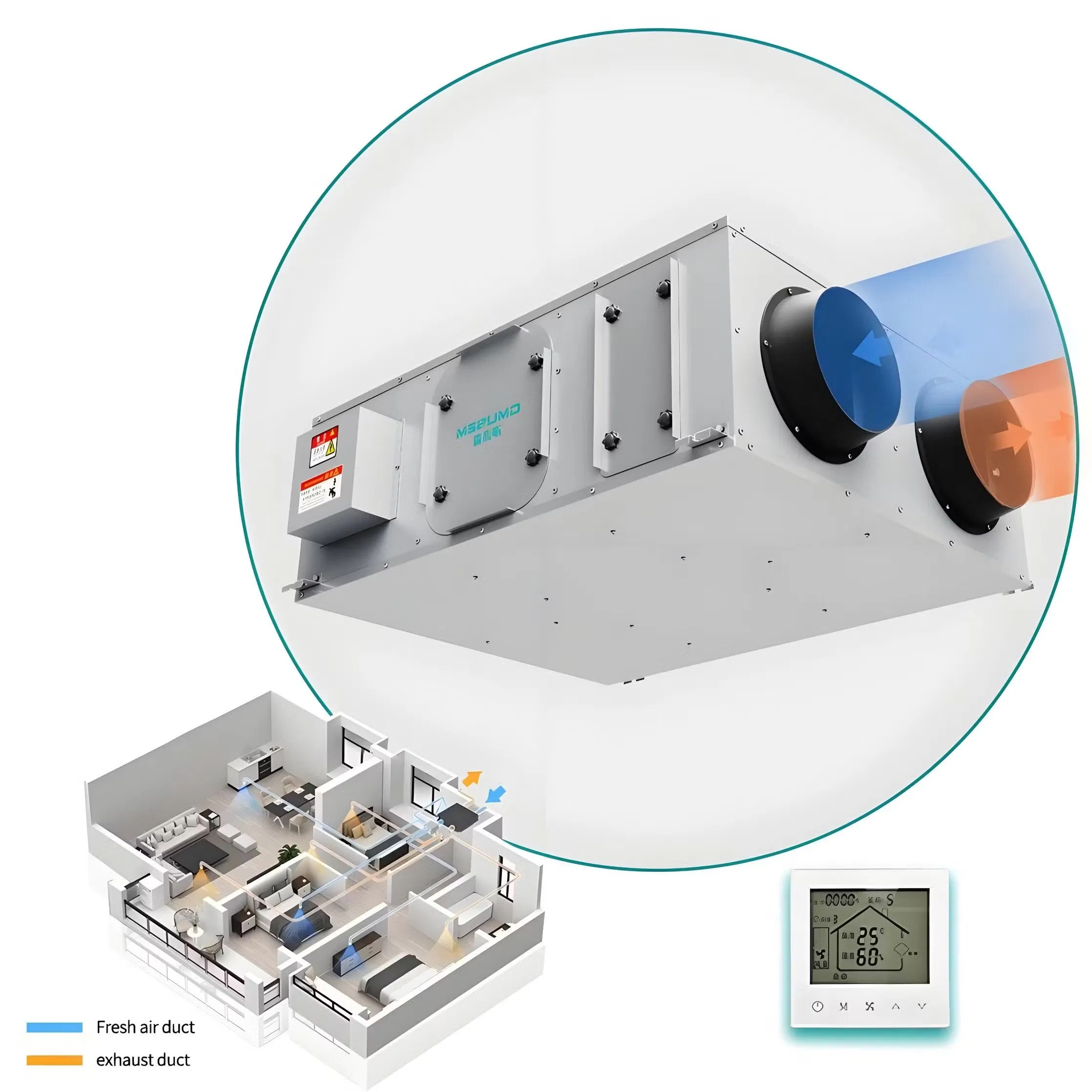
At its core, an ERV is a whole-house ventilation system that exchanges stale indoor air for fresh outdoor air. Its key feature is a high-efficiency heat and moisture recovery core. As stale indoor air exhausts out and fresh outdoor air pulls in, the core transfers heat and humidity between the two air streams. In winter, it captures heat from outgoing air to warm incoming cold air; in summer, it extracts coolness from indoor air to pre-cool hot outdoor air. This simple yet powerful mechanism eliminates the massive energy loss caused by traditional ventilation methods.
Indoor air is often far more polluted than outdoor air. Daily activities like cooking, cleaning, showering, and breathing release moisture, odors, carbon dioxide, and harmful volatile organic compounds (VOCs). Dust mites, pet dander, and pollen also accumulate in sealed homes. An ERV provides continuous, balanced air exchange, flushing out indoor pollutants and bringing in filtered fresh air 24/7. This eliminates stuffy air, reduces allergy and asthma triggers, and creates a healthier living environment for every family member, including kids, seniors, and pets.
Heating and cooling account for the largest portion of residential energy consumption. Without an ERV, every time you ventilate your home, you throw away conditioned air and force your heater or air conditioner to run overtime to restore comfortable temperatures. By recovering up to 70%-85% of the energy from exhausted air, an ERV lightens the load on your HVAC system significantly. It stabilizes indoor temperatures, reduces frequent system cycling, and delivers long-term savings on monthly electricity and gas bills. For energy-efficient homes and passive houses, an ERV is not an option but a necessity to maintain building performance.
Unbalanced humidity is a common hidden issue in modern homes. Excess moisture in winter leads to condensation on windows, walls, and ceilings, breeding mold, mildew, and dust mites. Overly dry air in summer causes dry skin, irritated respiratory tracts, and static electricity. Unlike HRV systems that only recover heat, ERVs transfer moisture between air streams, maintaining optimal indoor humidity levels between 40%-60%. This balanced humidity prevents mold growth, protects your home’s walls, furniture, and wooden fixtures, and boosts daily living comfort.
Modern ERV units are designed with ultra-quiet motors and insulated casings, producing barely noticeable operating noise that won’t disrupt your sleep, work, or leisure time. Unlike window ventilation that brings in wind noise, dust, and insects, ERVs feature multi-stage filters to purify incoming air, blocking pollen, dust, and outdoor pollutants. Routine maintenance is simple too—regular filter cleaning and annual core inspection are all it takes to keep the system running efficiently for years.
ERVs are ideal for all modern residential homes, especially airtight new builds, renovated energy-efficient houses, and passive homes. If you often feel stuffy indoors, struggle with seasonal allergies, notice recurring condensation and mold, or want to reduce monthly energy costs while improving living quality, an ERV is the perfect solution. It also works exceptionally well for basements, bedrooms, home offices, and other enclosed spaces with poor natural ventilation.
Fresh air and energy efficiency don’t have to be mutually exclusive. For too long, homeowners have had to choose between breathing clean air and keeping energy bills low. An ERV breaks this trade-off, acting as a silent guardian for your home. It delivers continuous filtered fresh air, stabilizes indoor temperature and humidity, protects your family’s respiratory health, and slashes unnecessary HVAC energy waste all year round.
If you’re looking for a long-term, cost-effective upgrade to elevate your home comfort and indoor air quality, an Energy Recovery Ventilator is truly the secret weapon every modern home needs.
 18705226241


