


In an era where indoor air quality (IAQ) and energy efficiency are top priorities for homeowners, businesses, and building designers alike, the ERV System Purification Ventilation stands out as a game-changing technology. Short for Energy Recovery Ventilation, ERV systems go beyond basic ventilation—they purify the air while recycling energy, creating a comfortable, healthy, and sustainable indoor environment. Whether you’re upgrading a residential space or optimizing a commercial building, understanding how ERV purification ventilation works and its key benefits can help you make informed decisions for better air and lower energy bills.
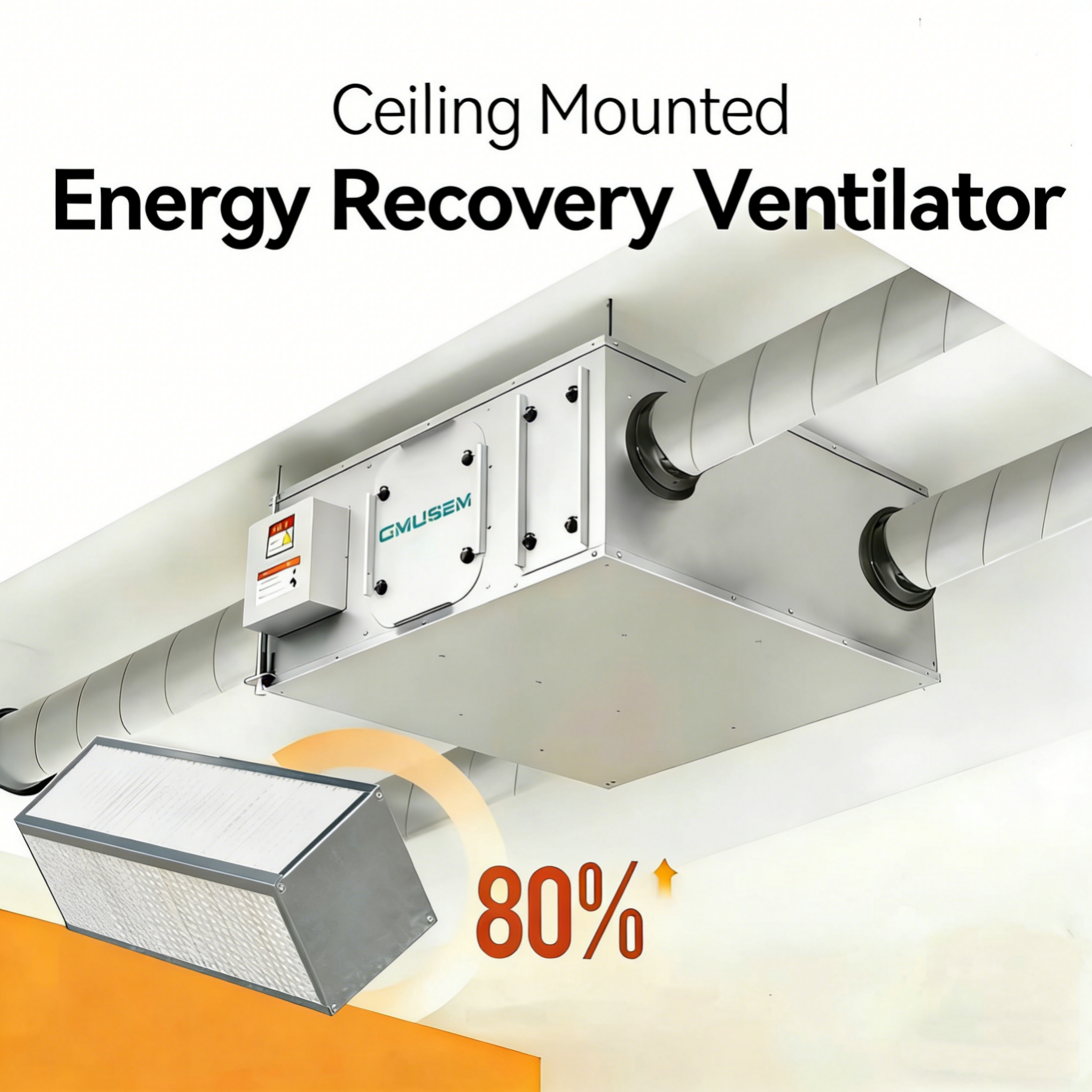
An ERV System Purification Ventilation combines two critical functions: energy recovery ventilation and air purification. Unlike traditional ventilation systems that simply exchange indoor and outdoor air (often wasting energy in the process) or standalone air purifiers that only clean indoor air without replenishing fresh air, ERVs offer a holistic solution. They continuously replace stale, polluted indoor air with fresh outdoor air while capturing and reusing the energy from the exhaust air—all while filtering out harmful contaminants to ensure the incoming air is clean and safe to breathe.
At its core, an ERV system features a heat exchanger, dual fans, high-efficiency filters, and smart controls. The heat exchanger is the heart of the system, transferring both sensible heat (temperature) and latent heat (moisture) between the incoming fresh air and outgoing stale air—without mixing the two air streams. This energy recovery process minimizes the load on your HVAC system, reducing energy consumption and utility costs. Meanwhile, built-in purification filters trap dust, pollen, VOCs, and other pollutants, ensuring that the fresh air entering your space is free from harmful particles and contaminants.
The operation of an ERV System Purification Ventilation is elegant in its simplicity, yet highly effective. Here’s a step-by-step breakdown of how it works year-round:
Air Exchange: Two separate fans work in tandem: one pulls fresh outdoor air into the system, and the other expels stale indoor air (filled with CO₂, odors, and pollutants) outside. The two air streams never mix, preventing cross-contamination.
Energy Recovery: As the fresh outdoor air and stale indoor air pass through the heat exchanger, energy is transferred between them. In winter, the warm exhaust air preheats the cold incoming fresh air, reducing the need for heating. In summer, the cool exhaust air precools and dehumidifies the hot, humid outdoor air, lessening the burden on your air conditioner. Most ERVs recover 60–95% of the energy from exhaust air, making them highly efficient.
Air Purification: Before the fresh outdoor air enters your space, it passes through high-performance filters (often MERV 13+ or HEPA-grade) that capture dust, pollen, pet dander, mold spores, VOCs, and even small particles like bacteria and viruses. This ensures that the air you breathe is not just fresh, but also clean and healthy.
Humidity Balance: Unlike HRV (Heat Recovery Ventilation) systems, which only transfer sensible heat, ERVs also manage moisture. This helps maintain a comfortable indoor relative humidity (40–50%) year-round—preventing dry air in winter and excess humidity (and mold growth) in summer.
Investing in an ERV System Purification Ventilation offers a wide range of benefits for both residential and commercial spaces, making it a worthwhile addition to any building:
Indoor air can be 2–5 times more polluted than outdoor air, thanks to trapped dust, pet dander, cooking odors, VOCs from furniture and paint, and even mold spores. ERVs solve this by continuously bringing in fresh, filtered air and expelling stale, polluted air. This reduces the concentration of harmful contaminants, alleviates allergy symptoms, and improves overall respiratory health—especially for those with asthma or sensitivities.
By recovering energy from exhaust air, ERVs significantly reduce the energy needed to heat or cool incoming fresh air. This can lower your HVAC energy consumption by 30–50%, translating to lower monthly utility bills. For example, a 2000 sq. ft. home in a cold climate can save up to $400 per year on heating costs by using an ERV that recovers 70% of exhaust heat.
ERVs maintain consistent indoor temperatures and humidity levels, eliminating the discomfort of dry air in winter (which causes chapped skin, dry throats, and static electricity) and excess humidity in summer (which leads to stickiness and mold growth). The balanced ventilation also prevents stuffiness, ensuring your space feels fresh and comfortable all year long.
By reducing energy consumption, ERVs lower your carbon footprint. They also reduce the need for synthetic air fresheners and humidifiers/dehumidifiers, making your space more eco-friendly. Additionally, the efficient air exchange helps extend the lifespan of your HVAC system by reducing its workload.
ERV System Purification Ventilation is suitable for nearly any space, from homes and apartments to offices, retail stores, healthcare facilities, and schools. In commercial settings like offices or hospitals, ERVs ensure a steady supply of clean air for employees, customers, and patients—boosting productivity and well-being. For example, a school in Texas saw an 18% reduction in absenteeism after installing ERVs with CO₂ sensors to boost ventilation during classes.
Despite their many benefits, there are a few common myths about ERVs that are important to debunk:
Myth 1: ERVs are the same as HRVs. While both are energy recovery ventilation systems, ERVs transfer both heat and moisture (total enthalpic devices), while HRVs only transfer sensible heat. This makes ERVs better for maintaining humidity balance, especially in humid or dry climates.
Myth 2: ERVs use a lot of energy. While ERVs do require power for their fans, the energy they save by reducing HVAC load far outweighs the energy they consume. The slight energy demand for the fans is negligible compared to the savings on heating and cooling costs.
Myth 3: ERVs don’t need maintenance. Like any HVAC component, ERVs require regular maintenance—specifically, changing filters and cleaning the heat exchanger—to ensure optimal performance. Neglecting maintenance can reduce efficiency and air purification quality, and even cause fan bearings to wear out, leading to 15–20% efficiency drops.
If you’re looking to improve indoor air quality, reduce energy costs, and create a more comfortable, sustainable space, an ERV System Purification Ventilation is an excellent investment. It’s especially beneficial if:
You live in a climate with extreme temperatures (hot summers or cold winters) or high humidity.
Your home or building is tightly sealed (common in modern energy-efficient construction), leading to poor natural ventilation.
You or your family members suffer from allergies, asthma, or respiratory issues.
You want to lower your carbon footprint and energy bills.
ERV System Purification Ventilation is more than just a ventilation system—it’s a comprehensive solution for healthy, energy-efficient indoor air. By combining energy recovery and air purification, ERVs address two of the biggest challenges in modern buildings: poor indoor air quality and high energy consumption. Whether you’re building a new home, renovating an existing space, or upgrading a commercial building, an ERV system can help you create a space that’s comfortable, healthy, and sustainable for years to come.
Ready to take the next step? Consult with a trusted HVAC professional to determine the right ERV system for your space, and start enjoying the benefits of fresh, clean air and lower energy bills today.
 18705226241


