


In today’s world, we spend the vast majority of our time indoors—whether at home, in the office, or in other enclosed spaces. As modern buildings grow more airtight and energy-efficient, we lock out drafts and reduce energy waste, but we also trap stale air, pollutants, and excess moisture inside. Poor indoor air quality (IAQ) doesn’t just feel uncomfortable; it can trigger allergies, worsen respiratory issues, and even impact focus and overall wellness. That’s where an ERV (Energy Recovery Ventilator) system steps in: a smart, efficient solution that delivers fresh, clean air without sacrificing energy efficiency. Below, we break down exactly how ERV systems work and why they’re a game-changer for healthier indoor environments.
An ERV system is a balanced mechanical ventilation unit designed to continuously exchange stale, polluted indoor air with fresh outdoor air—all while recovering valuable heat and moisture from the outgoing air to condition incoming air. Unlike basic exhaust fans, window vents, or even standard HVAC systems, ERVs don’t just move air around; they create a consistent, controlled airflow cycle that preserves indoor comfort and slashes energy waste. Unlike HRVs (Heat Recovery Ventilators) that only transfer heat, ERVs handle both heat and moisture transfer, making them versatile for nearly any climate.
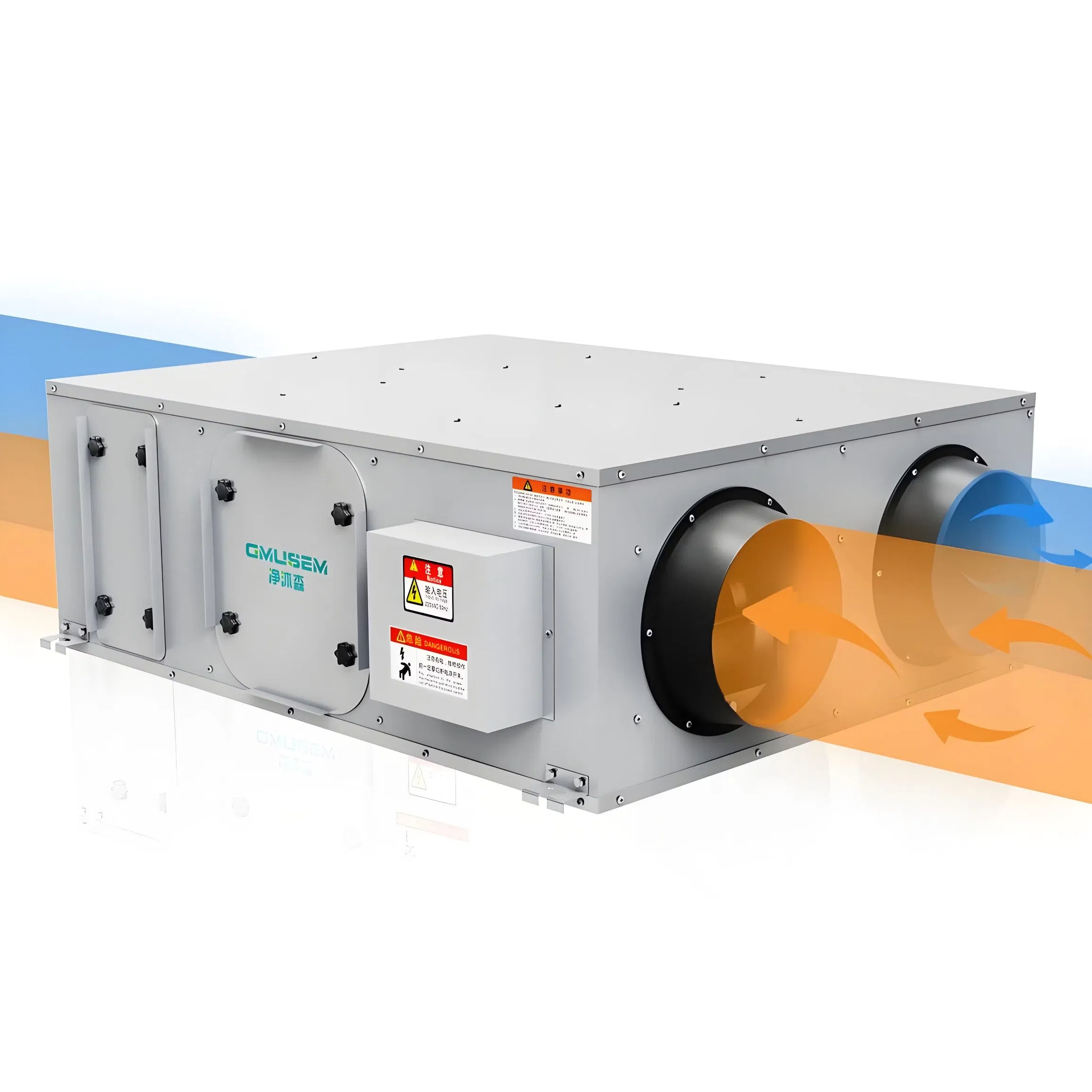
The magic of an ERV system lies in its core design: two separate air streams that never mix, paired with a specialized energy exchanger that transfers thermal energy and moisture. Here’s a clear, simplified look at its operation:
Air Intake & Exhaust: The ERV uses two quiet, efficient fans to pull in fresh outdoor air through one duct and push out stale indoor air (from areas like bedrooms, bathrooms, and living spaces) through a separate, sealed duct. This balanced airflow ensures no negative or positive pressure builds up inside the space, avoiding issues like draftiness, dust infiltration, or trapped pollutants.
Energy & Moisture Transfer: Both air streams pass through the ERV’s core—typically a static plate or polymer exchanger—where heat and moisture move between the streams without any air mixing. In winter, the system captures heat and humidity from warm outgoing air to pre-heat and humidify cold, dry incoming air. In summer, it removes heat and excess moisture from hot, humid outdoor air, pre-cooling and dehumidifying fresh air before it enters your space.
Filtration & Distribution: Before circulating fresh air indoors, the ERV passes it through a filter to trap dust, pollen, pet dander, and other airborne allergens. The conditioned, filtered air is then distributed evenly throughout the space, while the stale, pollutant-filled air is safely vented outside.
Energy Efficiency Boost: Top-tier ERV systems can recover up to 80% of the energy from exhaust air, drastically reducing the workload on your heating and cooling system. This means you get fresh air without sky-high utility bills—a win for both your wallet and the planet.
Indoor air can be up to five times more polluted than outdoor air, filled with VOCs (volatile organic compounds) from cleaning products, furniture, and paint, excess CO₂ from breathing, mold spores, odors, and allergens. An ERV system tackles these IAQ problems head-on with key benefits:
Airtight spaces trap pollutants and stale air, leading to stuffiness and poor air quality. ERVs provide a steady, consistent flow of fresh outdoor air, diluting and flushing out contaminants before they build up. This constant ventilation eliminates “stale air syndrome,” leaving your space feeling crisp and breathable year-round.
By exhausting stale indoor air, ERVs remove harmful particles and gases like VOCs, carbon dioxide, cooking fumes, and pet odors. Built-in filters also block outdoor allergens—such as pollen, dust mites, and mold spores—from entering your space, making it a lifesaver for allergy sufferers and anyone with respiratory sensitivities.
Humidity imbalances are a silent IAQ culprit: overly dry air irritates sinuses and skin, while excess moisture fuels mold and mildew growth. ERVs regulate moisture levels by transferring humidity between air streams, keeping indoor humidity in the ideal 30-50% range. This prevents mold growth, protects your home’s structure, and keeps you comfortable no matter the weather outside.
Traditional ventilation (like opening windows) wastes heated or cooled air, sending your energy bills soaring. ERVs let you enjoy fresh air without sacrificing comfort—pre-conditioned incoming air matches your indoor temperature, so you won’t feel chilly drafts or hot, sticky air. Reduced HVAC strain also cuts down on energy usage and extends the lifespan of your heating and cooling equipment.
Basic exhaust fans and window ventilation only move air in one direction, creating pressure imbalances and wasting energy. HRVs work for temperature control but don’t address moisture, making them less effective in humid or dry climates. ERVs stand out as the all-in-one solution, offering balanced ventilation, energy recovery, moisture control, and air filtration—perfect for modern, airtight homes and buildings.
Investing in an ERV system isn’t just about upgrading your HVAC—it’s about prioritizing your health and comfort through cleaner, fresher indoor air. By efficiently exchanging stale air for filtered, conditioned fresh air while saving energy, ERVs solve the biggest flaws of modern airtight spaces. Whether you’re building a new home, renovating, or simply aiming for a healthier living environment, an ERV system is a reliable, long-term way to breathe easier and enjoy superior indoor air quality every single day.
 18705226241


