


ERV Installation Guide: Benefits, Costs & Key Features
Modern homeowners and sustainable builders are increasingly prioritizing indoor air quality and energy efficiency, and ERV (Energy Recovery Ventilator) systems have quickly become a staple upgrade for residential and commercial properties. Unlike basic exhaust fans that waste conditioned indoor air, ERVs deliver balanced, continuous ventilation while recovering valuable thermal energy and moisture. If you’re planning to install an ERV system or curious about whether it’s worth the investment, this complete guide covers everything you need to know: core features, standout benefits, accurate cost breakdowns, and professional installation best practices.
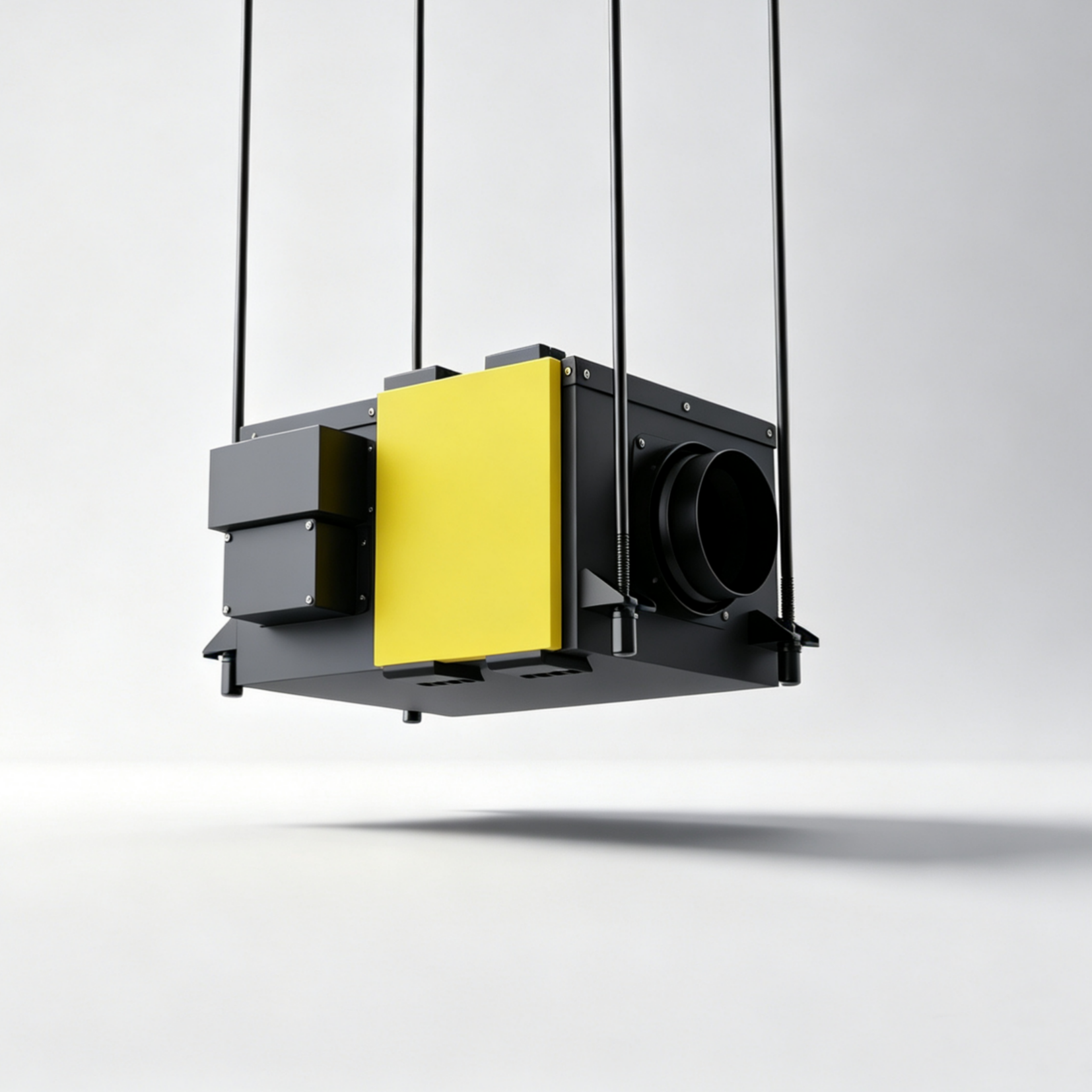
An Energy Recovery Ventilator is a whole-home mechanical ventilation system designed to refresh indoor air without sacrificing energy efficiency. Equipped with a high-performance enthalpy heat core, dual fans, and multi-stage air filters, ERVs work on a simultaneous air exchange cycle. The system exhausts stale, pollutant-laden indoor air outside while drawing in fresh outdoor air.
As the two airstreams pass through the insulated core without mixing, the ERV transfers heat and moisture from the outgoing air to the incoming fresh air. In winter, it retains indoor heat to warm cold outdoor air; in summer, it cools and dehumidifies incoming hot air. This pre-conditioning process drastically reduces the workload of your HVAC system, balancing indoor air quality, temperature, and humidity year-round.
Not all ERV units deliver the same performance. Premium residential and light commercial ERVs come with industry-leading features that define their efficiency and usability:
The core is the heart of any ERV system. Top-tier models boast 75%–95% energy recovery efficiency, supporting both heat and moisture transfer. Unlike HRV cores that only recover sensible heat, the ERV enthalpy core adapts to humid and dry climates, preventing over-drying in winter and excessive indoor humidity in summer for consistent comfort.
Quality ERVs are fitted with MERV-rated filters that trap pollen, dust mites, pet dander, airborne bacteria, and fine particulate matter. This filtration feature ensures only clean, fresh air circulates indoors, making the system ideal for allergy sufferers, families with young children, and homes in polluted urban areas.
Modern ERVs adopt low-noise, variable-speed fan technology, allowing adjustable airflow rates to match different room sizes and ventilation demands. Operating at low decibel levels, the system runs quietly 24/7 without disrupting daily life or sleep, unlike traditional noisy ventilation fans.
Most updated ERV units support wall-mounted smart controls, humidity sensors, and automatic operation modes. The system can self-adjust airflow based on indoor humidity and air quality levels, delivering optimized ventilation without manual operation and maximizing energy savings.
For cold-climate regions, premium ERVs are equipped with intelligent frost protection functions to prevent core freezing in low temperatures. This feature ensures stable year-round operation and extends the service life of the unit.
Homes with sealed windows, tight insulation, and modern construction easily trap CO2, VOCs, cooking odors, and excess moisture. ERVs provide continuous cross-ventilation, replacing stale indoor air with filtered fresh air round the clock. This eliminates stuffy air, reduces indoor pollutants, and lowers the risk of respiratory issues and allergies.
Without an ERV, natural ventilation or basic fan ventilation leads to massive heat and cooling loss. By pre-conditioning incoming air, ERVs reduce the heating and cooling load of your HVAC system significantly. Homeowners can save 15%–30% on annual energy bills, especially in extreme hot or cold climates.
Unbalanced humidity causes common household problems: mold growth, wall condensation, rotting wood, and peeling paint. ERVs precisely regulate indoor humidity levels between 40%–60%, the ideal comfortable range. It removes excess moisture in humid seasons and preserves indoor moisture in dry seasons, protecting your home’s structural integrity and interior furnishings.
Unlike window ventilation that causes temperature fluctuations and cold drafts, ERVs deliver evenly tempered fresh air consistently. It eliminates muggy summer air and dry winter air, creating a balanced, comfortable indoor environment in every season without sacrificing energy efficiency.
ERV installation costs vary based on unit size, brand, home square footage, ductwork conditions, and labor fees. Below is a clear, real-world cost breakdown for residential projects:
Basic entry-level ERV units: $800–$1,200, suitable for small homes below 1,500 sq ft. Mid-range high-efficiency ERV units: $1,200–$2,200, ideal for most standard residential homes with complete filtration and smart functions. Premium commercial-grade ERV units: $2,200–$4,000, for large homes, passive houses, and light commercial spaces.
Standard installation for existing duct systems: $600–$1,200. New ductwork setup or customized piping: $1,200–$2,500. Complex installations (attic modification, multi-story homes): $2,500+.
Replacement filters, smart controllers, and frost protection accessories: $100–$300 annually. Routine professional maintenance: $150–$200 per year to ensure optimal efficiency and service life.
Total average investment: Most homeowners spend $2,000–$4,500 for a complete ERV installation project, with a payback period of 5–8 years through energy bill savings.
First, evaluate your home’s square footage, room layout, insulation performance, and local climate. Professional technicians will calculate the required airflow rate to select a matched ERV unit—oversized units cause energy waste, while undersized models fail to meet ventilation demands.
Design independent supply and exhaust duct routes, ensuring separate airstreams to avoid air mixing. Ducts should be insulated and sealed tightly to prevent air leakage and condensation loss. For homes with existing HVAC ducts, technicians will optimize the layout for compatible ventilation.
Mount the ERV unit in a dry, ventilated space such as the attic, basement, or utility room. Install outdoor air intake and exhaust pipes, ensuring pipes extend outdoors with waterproof and insect-proof covers to block debris and outdoor pollutants.
Complete safe electrical wiring per local building codes, install the wall control panel, and connect smart sensors for humidity and air quality monitoring. Test circuit stability to ensure safe long-term operation.
After installation, technicians will debug the system, adjust fan speed, balance supply and exhaust airflow, and test energy recovery efficiency. A full system check ensures no air leakage, abnormal noise, or temperature imbalance issues.
Professional installers will demonstrate basic operation modes, filter replacement steps, and routine maintenance tips to help homeowners use the ERV system correctly and extend its lifespan.
Improper unit sizing: Blindly choosing a low-cost mismatched unit leads to poor ventilation or energy waste.
Unsealed ductwork: Leaky ducts reduce ERV efficiency by up to 30% and cause condensation problems.
Incorrect pipe installation: Short or improperly sloped pipes lead to water backflow and core frost damage.
Skipping air balancing: Unbalanced supply and exhaust airflow causes negative indoor pressure and uncomfortable drafts.
For modern airtight homes, energy-efficient builds, passive houses, and families prioritizing healthy living, an ERV system is absolutely a worthwhile long-term investment. It solves the core problem of poor indoor ventilation in sealed homes, cuts annual energy expenses, protects your property from humidity damage, and delivers healthier, more comfortable living conditions year-round.
While the upfront installation cost requires a moderate investment, the long-term energy savings, reduced maintenance costs for your home and HVAC system, and improved quality of life far outweigh the initial expense. With proper installation and routine maintenance, a quality ERV unit can serve your home efficiently for 10–15 years.
 18705226241


