


If you’re exploring ways to improve your home’s comfort, indoor air quality (IAQ), and energy efficiency, you’ve likely come across the term “ERV HVAC system.” But what exactly is an ERV, how does it work, and is it the right ventilation solution for your home? In this guide, we’ll break down everything you need to know about Energy Recovery Ventilators (ERVs)—from their basic definition to their key benefits, ensuring you have the knowledge to make informed decisions about your home’s ventilation needs.
Many homeowners rely on traditional HVAC systems to heat and cool their spaces, but these setups often fall short when it comes to balanced air circulation. Stale indoor air, fluctuating humidity, and wasted energy are common pain points—ones that ERV HVAC systems are specifically designed to solve. Unlike simple exhaust fans or open windows, ERVs offer a controlled, efficient way to bring fresh air into your home without sacrificing the energy you’ve already used to condition it.
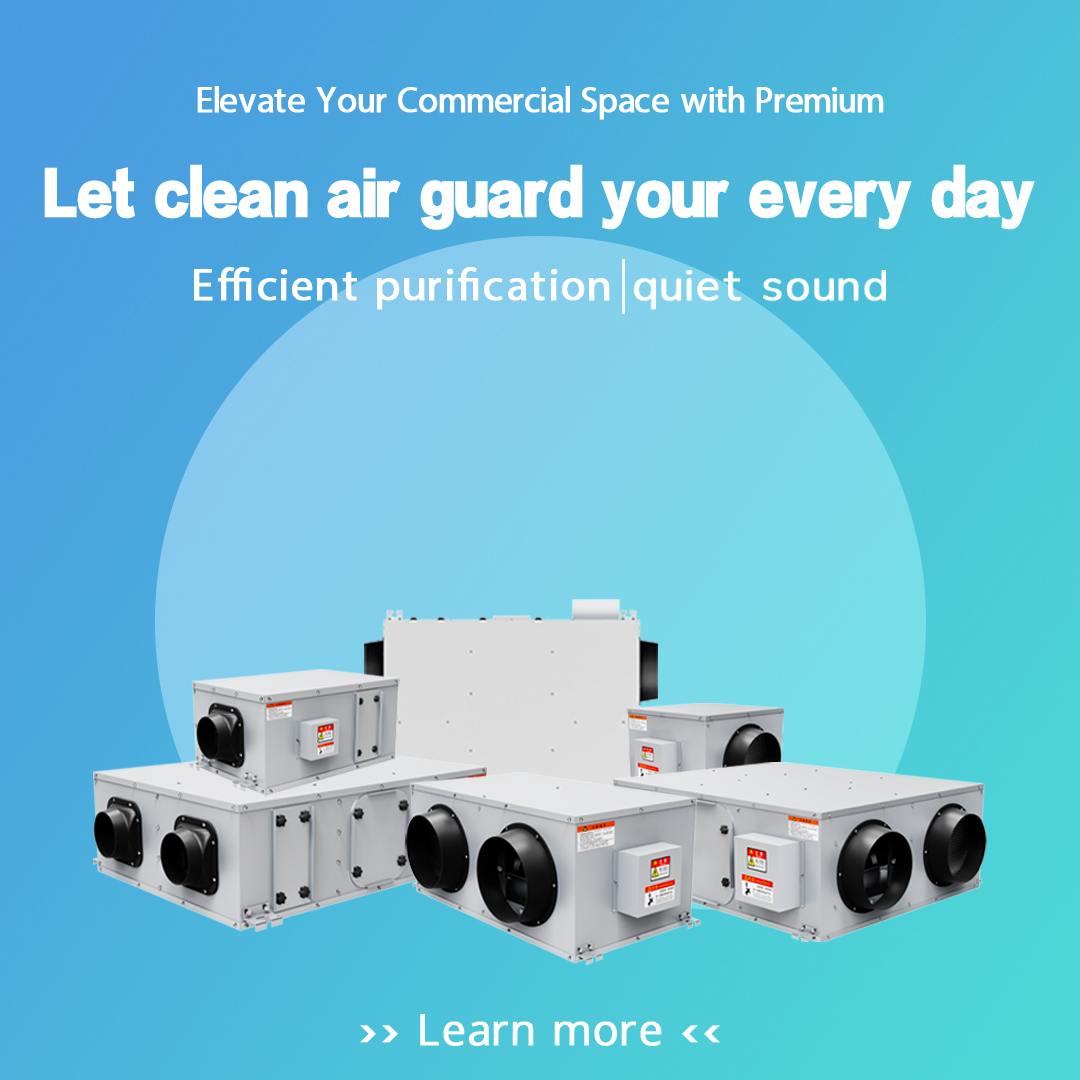
Let’s start with the basics: ERV stands for Energy Recovery Ventilator. An ERV HVAC system is a balanced mechanical ventilation device that replaces stale, polluted indoor air with fresh outdoor air—while recovering the thermal energy (and moisture) from the air being exhausted. This means it keeps your home supplied with clean air without wasting the energy your furnace or air conditioner has already invested in heating or cooling your space.
Think of an ERV as a “smart bridge” between indoor comfort and outdoor freshness. It’s designed to address two key issues in modern homes: poor air circulation (especially in tightly sealed, energy-efficient homes) and energy waste from unconditioned outdoor air. At its core, an ERV is both an “energy saver” and an “air purifier,” working double duty to keep your home healthy and your utility bills low.
Unlike standalone ventilation systems that only push air in or out, ERVs create a balanced airflow—ensuring that the amount of fresh air coming in equals the amount of stale air going out. This prevents negative or positive pressure in your home, which can cause drafts, leaks, or reduced HVAC efficiency. For homeowners and builders focused on modern, high-performance homes, ERVs have become a staple due to their ability to enhance comfort without compromising on energy savings.
While ERVs might sound complex, their design is elegantly simple, centered around a key component called an enthalpy core (usually made of advanced polymer plates). This core facilitates the transfer of energy and moisture between two separate air streams—fresh outdoor air and stale indoor air—without letting the two streams mix. Here’s a simple breakdown of the process:
Dual, Separate Air Streams: An ERV uses two quiet, high-efficiency fans to create two distinct air paths. One fan pulls fresh outdoor air into the system, while the other pushes stale indoor air (filled with dust, odors, and contaminants) out of the home. Importantly, these two streams never mix—so you only breathe clean, filtered outdoor air.
Energy Transfer in the Enthalpy Core: As both air streams pass through the enthalpy core, heat is transferred from the warmer stream to the cooler one. In winter, the warm, stale indoor air pre-heats the cold outdoor air before it enters your home—reducing the workload on your furnace. In summer, the cool indoor air pre-cools the hot outdoor air—easing the strain on your air conditioner.
Moisture Management (A Key ERV Advantage): Unlike some ventilation systems, ERVs also transfer moisture through microscopic channels in the core. In humid summers, they remove excess moisture from incoming outdoor air, preventing that sticky, muggy feeling. In dry winters, they add moisture from outgoing indoor air, combating dry skin, chapped lips, and static electricity—all without the need for separate humidifiers or dehumidifiers.
Filtration for Cleaner Air: Before fresh outdoor air enters your home’s ductwork, it passes through intake filters that catch dust, pollen, pet dander, and other particulates. This not only improves indoor air quality but also protects your HVAC system from debris buildup, keeping it running efficiently.
The end result? Fresh, filtered air that’s already close to your home’s ideal temperature and humidity—all while saving energy and reducing waste. It’s a win-win for your comfort, your health, and your wallet.
Now that you know what an ERV is and how it works, let’s explore why it’s a valuable addition to most homes. The biggest appeal of ERVs is their ability to improve multiple aspects of home living at once, including:
Indoor air can be 2-5 times more polluted than outdoor air, thanks to trapped contaminants like dust, pet dander, cooking odors, volatile organic compounds (VOCs) from furniture and cleaning products, and carbon dioxide buildup. ERVs solve this by constantly replacing stale air with fresh, filtered outdoor air—ensuring consistent airflow and reducing allergens and irritants. This is especially beneficial for people with allergies, asthma, or respiratory issues.
By recovering up to 80% of the thermal energy from exhaust air, ERVs significantly reduce the amount of work your furnace and air conditioner need to do. This translates to lower monthly utility bills—typically a 10-20% reduction, depending on your climate and home size. Over time, these savings add up, offsetting the upfront cost of installation.
ERVs maintain balanced humidity (ideally 40-50% relative humidity) and temperature, eliminating extreme swings that ruin comfort. In summer, they dehumidify incoming air; in winter, they add moisture. This means no more sticky summers or dry, drafty winters—just consistent, comfortable air throughout the year.
When your furnace and air conditioner don’t have to work as hard, they experience less wear and tear. ERVs reduce strain on your HVAC components, helping them last longer and require fewer costly repairs. The filtration system also keeps ducts clean, further protecting your HVAC investment.
ERVs aren’t one-size-fits-all, but they’re an excellent choice for most modern homes—especially:
Tightly sealed homes (new builds or homes with energy-efficient upgrades), which often lack natural airflow.
Homes in climates with extreme humidity (hot, humid summers) or extreme dryness (cold, dry winters).
Homes with allergy or asthma sufferers, or anyone prioritizing healthier indoor air.
Homeowners looking to reduce energy bills and their carbon footprint.
Homes where stale air, odors, or window condensation are common problems.
If you live in a mild climate where you can regularly open windows for natural ventilation, you may not see as much benefit. But for most homeowners, the combination of cleaner air, lower bills, and consistent comfort makes ERVs a worthwhile investment. Remember: professional installation is key—improperly installed ERVs can lose 20-40% of their effectiveness, so choose a qualified HVAC contractor.
An ERV HVAC system is more than just a ventilation device—it’s a smart investment in your home’s comfort, health, and efficiency. By answering the question “What is an ERV HVAC system?” we’ve uncovered how this simple yet powerful tool bridges the gap between fresh air and energy savings, solving common home ventilation pain points.
Whether you’re building a new home, upgrading your HVAC system, or simply looking to breathe cleaner air, an ERV is worth considering. It’s a solution that pays off over time—for your wallet, your home, and your well-being.
Ready to learn more about how an ERV can transform your home? Reach out to a trusted HVAC professional to assess your home’s unique needs and find the perfect ERV solution.
 18705226241


