


ERV Connected to HVAC: Upgrade Your Indoor Air Quality & Energy Efficiency
Modern HVAC systems excel at regulating indoor temperatures, but many fall short in one critical area: fresh air circulation. Stale, stagnant indoor air, excess humidity, trapped pollutants, and uneven airflow are common issues in tightly sealed homes and commercial buildings. This is where connecting an Energy Recovery Ventilator (ERV) to your existing HVAC system transforms ordinary climate control into a smart, healthy, and energy-efficient solution. Integrating an ERV with your HVAC setup is no longer a luxury upgrade—it’s a practical investment for better indoor comfort, cleaner air, and lower utility bills.
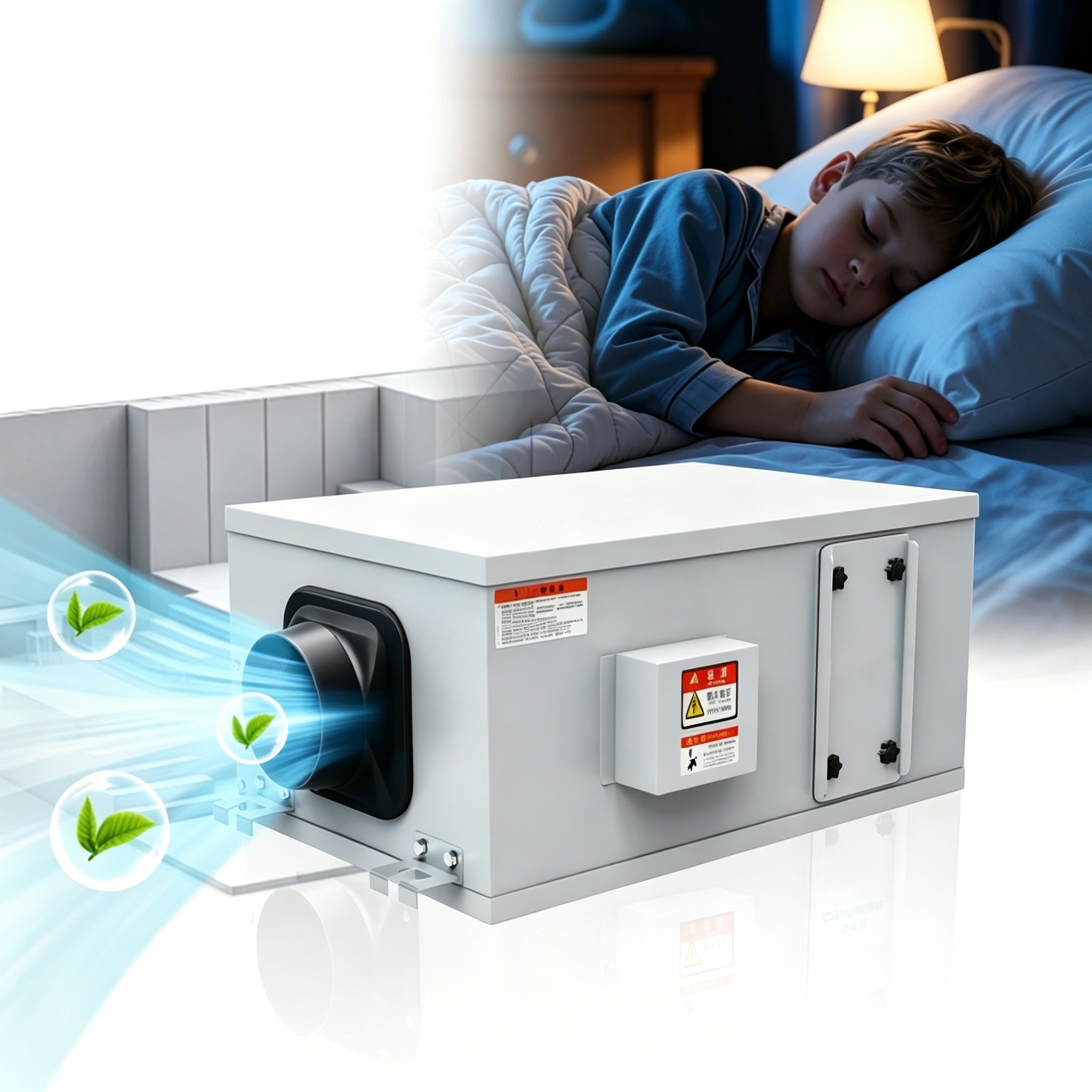
An Energy Recovery Ventilator (ERV) is a specialized ventilation device designed to exchange stale indoor air for fresh outdoor air while recovering valuable heat and moisture energy during the process. Unlike basic exhaust fans that simply push indoor air outside and waste conditioned air, ERVs work in perfect tandem with your central HVAC system to balance ventilation, temperature, and humidity year-round.
The core of an ERV system features a high-efficiency semi-permeable membrane heat exchanger and two independent fan systems. One fan pulls fresh outdoor air into the building, while the other expels stale, polluted indoor air outward. The two airstreams never mix, but they pass through the exchange core to transfer sensible heat (temperature) and latent heat (moisture) between incoming and outgoing airflows. When fully connected to your HVAC ductwork, the ERV becomes a seamless extension of your heating and cooling system, rather than a standalone ventilation unit.
One of the biggest advantages of linking an ERV to your HVAC system is its adaptive seasonal performance, which reduces your HVAC unit’s workload in every weather condition.
In cold months, your HVAC heater works overtime to warm indoor air. Without an ERV, ventilating your home means letting precious heated air escape and forcing frigid outdoor air inside, which requires your furnace or heat pump to consume more energy to reheat the space. A connected ERV changes this dynamic: it captures heat from the warm exhaust air leaving your building and transfers it to the incoming cold outdoor air. This preheats fresh air before it enters your HVAC system, cutting down heating loads significantly. Additionally, the ERV retains moisture from indoor exhaust air, preventing the overly dry air that often comes with winter heating and protecting your skin, respiratory system, and wooden furniture.
Humid summer air forces air conditioners to work harder to cool and dehumidify indoor spaces. When your ERV is integrated with HVAC, it absorbs excess heat and moisture from incoming warm, humid outdoor air using the cooler exhaust air from your air-conditioned rooms. This pre-conditions the incoming fresh air, lowering both temperature and humidity before it circulates through your HVAC ducts. The result? Your AC runs less frequently, maintains consistent indoor cooling, and eliminates sticky, muggy indoor air that plagues many homes in humid climates.
Tightly insulated buildings trap a host of indoor pollutants, including dust, pollen, pet dander, volatile organic compounds (VOCs), and carbon dioxide buildup from daily breathing and activities. Standard HVAC systems recirculate existing indoor air but cannot introduce sufficient fresh outdoor air. A ducted ERV-HVAC system continuously flushes out stale, contaminated air and delivers filtered fresh air throughout every room. Most ERVs come with high-grade filters that trap airborne particles before fresh air enters your ductwork, creating a healthier living and working environment for allergy sufferers, children, and seniors.
Heating and cooling unconditioned outdoor air accounts for a large portion of residential and commercial energy waste. By recovering up to 95% of the energy from exhausted indoor air, a connected ERV drastically reduces the temperature and humidity difference between outdoor and indoor air. This lightens the runtime and workload of your HVAC’s furnace, heat pump, and air conditioner, directly lowering monthly electricity and gas bills. Over time, the energy savings far offset the cost of ERV installation and maintenance.
Unbalanced indoor humidity is a hidden comfort killer. Too much moisture in summer leads to mold growth, mildew, and stuffy air, while low humidity in winter causes dry throats, static electricity, and cracked wood surfaces. Unlike HRVs (Heat Recovery Ventilators) that only transfer heat, ERVs excel at moisture exchange, stabilizing indoor humidity levels between the ideal 30–50% range year-round. Paired with your HVAC system, it eliminates hot, cold, or damp spots and maintains uniform, cozy indoor conditions in every season.
An overworked HVAC system wears out faster, leading to frequent repairs and premature replacement. By pre-conditioning incoming air, an integrated ERV reduces the cycling frequency of your heating and cooling equipment. Less strain on compressors, fans, and heating elements minimizes mechanical wear and tear, extending your HVAC system’s service life and reducing long-term maintenance costs.
ERV and HVAC integration is ideal for nearly all modern residential homes, office buildings, and sealed commercial spaces. It is especially beneficial for properties in moderate to humid climates, buildings with high insulation and airtight construction, and spaces with poor natural ventilation or persistent stuffy air. Unlike standalone ventilation solutions, connecting an ERV to your existing HVAC ductwork ensures whole-home air circulation, avoiding uneven ventilation or isolated stale zones.
The installation process is straightforward for professional HVAC technicians. The ERV unit is connected to your existing duct system, with dedicated ducts for fresh air intake and stale air exhaust. Paired with smart controls, the system can automatically adjust fan speeds and ventilation rates based on indoor air quality levels, outdoor temperatures, and humidity, delivering fully optimized, hands-free operation.
Your HVAC system controls indoor temperature, but a connected ERV controls indoor air quality and energy efficiency. Integrating an Energy Recovery Ventilator with your HVAC setup bridges the gap between sealed building comfort and healthy natural ventilation. It eliminates stale air, balances humidity, slashes energy waste, and protects your HVAC investment—all while creating a fresher, healthier, and more comfortable indoor environment for every season.
If you’re looking to upgrade your home’s comfort beyond basic heating and cooling, connecting an ERV to your HVAC system is one of the most cost-effective, high-impact upgrades you can make.
 18705226241


