


Do I Need an ERV Heat Recovery Ventilation HVAC System in My Climate?
Modern homes and commercial buildings are built tighter and more energy-efficient than ever before. High-performance insulation, sealed windows, and airtight envelopes reduce HVAC load and cut energy waste, but they also trap stale air, excess moisture, carbon dioxide, and indoor pollutants. Without proper mechanical ventilation, indoor air can become far more stagnant and unhealthy than outdoor air.
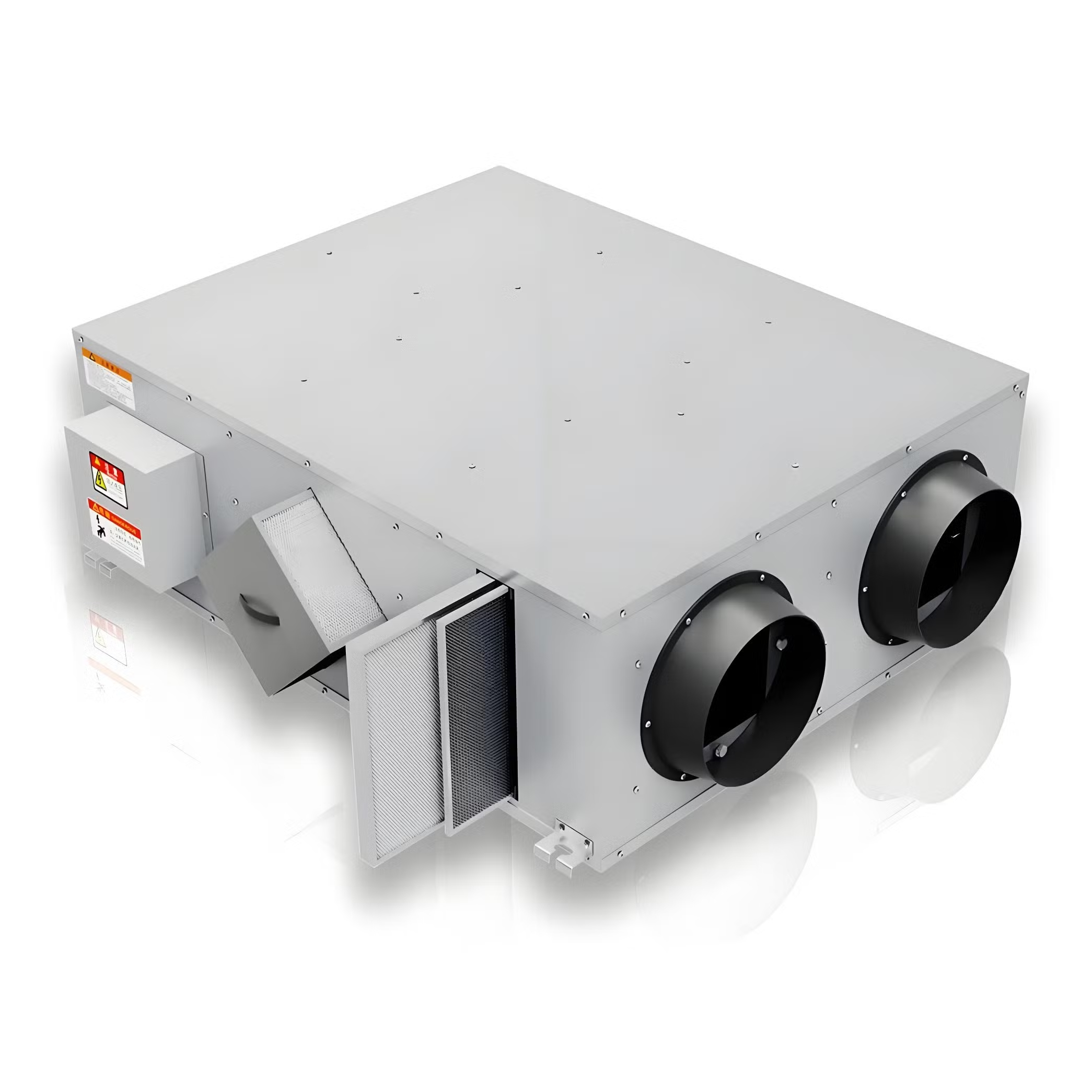
This is why many property owners consider adding an ERV (Energy Recovery Ventilator) to their HVAC system. However, one of the most common questions remains: Is an ERV necessary for my local climate?
Unlike generic ventilation fans, ERVs exchange both heat and moisture between incoming and outgoing air streams. Their unique ability to manage temperature and humidity makes them perform differently across hot, cold, humid, and dry regions. In this article, we break down exactly which climates benefit most from an ERV HVAC system and whether you should invest in one for your property.
To understand climate suitability, you first need to know what makes ERVs unique. Many homeowners confuse ERVs with HRVs, but the two systems serve distinct environmental needs:
ERV (Energy Recovery Ventilator): Transfers both sensible heat (temperature) and latent heat (moisture). It balances humidity while ventilating, making it adaptable to fluctuating weather conditions.
HRV (Heat Recovery Ventilator): Only transfers temperature and exhausts moisture. It prioritizes heat retention but offers no humidity control.
Because of its dual heat and moisture recovery design, an ERV is a year-round ventilation solution that improves HVAC efficiency and indoor air quality in most climate zones.
No single climate behaves the same, and ventilation needs change drastically between humid summers, freezing winters, dry deserts, and temperate coastal regions. Below is a clear climate-by-climate guide to ERV necessity.
Tropical, subtropical, and coastal humid regions face persistent moisture problems. In these areas, opening windows for fresh air introduces muggy outdoor air, raising indoor humidity, triggering mold growth, mildew odors, and stuffy indoor conditions. Your air conditioner must work overtime to dehumidify incoming air, leading to higher electricity bills and overworked HVAC equipment.
An ERV solves this issue perfectly. It pre-conditions incoming humid air by transferring excess moisture to the outgoing stale air stream. The result is consistent, balanced indoor humidity, fresher air circulation, and significantly reduced AC workload. Unlike HRVs, which cannot manage humidity, ERVs prevent sticky indoor air and moisture buildup throughout the humid season.
Final Verdict: If you live in a hot-humid climate, an ERV HVAC system is not optional—it is essential for comfort, air quality, and energy savings.
Regions with distinct spring, summer, fall, and winter seasons experience conflicting ventilation needs throughout the year. Summers are warm and humid, while winters are cold and dry. Standard ventilation systems struggle to adapt to these seasonal shifts.
In summer, the ERV removes outdoor humidity and cools incoming air, easing air conditioner pressure. In winter, it recovers heat from exhausted indoor air and retains healthy indoor moisture, preventing the dry air symptoms caused by continuous heating, such as irritated skin, dry throats, and static electricity.
Final Verdict: For four-season climates, an ERV is the most versatile HVAC ventilation upgrade, delivering comfort and efficiency in every season.
In frigid, dry winter regions, heating systems drastically lower indoor humidity. Traditional window ventilation wastes massive amounts of indoor heat and worsens dry air issues.
An ERV recovers indoor heat and preserves reasonable humidity levels, maintaining a comfortable living environment without over-drying the air. It is ideal for families sensitive to dry air and for tightly sealed passive homes.
That said, HRVs can also perform well here since outdoor humidity is naturally low year-round. If your top priority is maximum heat recovery with a lower budget, an HRV is acceptable. If you prioritize balanced indoor comfort, an ERV remains the superior choice.
Final Verdict: ERV is recommended for comfort-focused users; HRV works for cost-focused projects in cold-dry climates.
Desert climates feature extreme heat and extremely low outdoor humidity. While humidity is not a problem here, constant dry air creates uncomfortable living conditions, including dry nasal passages, cracked skin, and dusty indoor air.
An ERV retains moisture generated indoors from breathing, cooking, and showering, transferring it to dry incoming outdoor air. This naturally balances indoor humidity without extra humidifier equipment. In contrast, HRVs exhaust all indoor moisture, making dry indoor air even harsher.
Final Verdict: ERVs are highly beneficial for dry, hot desert climates to maintain healthy humidity levels.
Mild coastal regions with steady temperatures and gentle humidity allow flexible natural ventilation most of the year. You can safely open windows for fresh air without extreme energy loss or humidity spikes.
Even so, modern airtight homes in these areas still benefit from ERV installation. It provides consistent filtered air exchange, removes coastal moisture buildup during damp seasons, and reduces reliance on manual window ventilation.
Final Verdict: Not mandatory, but highly recommended for new builds, airtight homes, and high-IAQ-focused properties.
Beyond regional weather patterns, your property type and living habits also determine ERV necessity. You definitely need an ERV HVAC system if you face the following situations:
Your home or office is newly built with airtight insulation and low air infiltration rates
You often feel stuffy indoors, even with air conditioning or heating running
Your space has high CO₂ levels, poor concentration, or frequent fatigue during indoor hours
You notice recurring mold, musty odors, or condensation on windows
You want to reduce long-term HVAC energy consumption and extend system lifespan
So, do you need an ERV heat recovery ventilation HVAC system for your climate? ERVs deliver the greatest value in humid, four-season, dry desert, and tightly sealed building environments. It is the only ventilation system that provides all-season temperature recovery and humidity balance, making it the most flexible HVAC upgrade for most global regions.
If you live in mild or extremely cold dry areas, ERVs still improve indoor air quality and comfort, even if they are not strictly mandatory. For homeowners pursuing healthy indoor air, stable comfort, and long-term energy efficiency, an ERV HVAC system is always a worthwhile investment.
 18705226241


