


If you’ve been researching home ventilation upgrades, you’ve probably come across two key terms: ERV (Energy Recovery Ventilator) and HRV (Heat Recovery Ventilator). These systems are game-changers for modern, airtight homes—delivering fresh, filtered outdoor air without wasting energy on heating or cooling lost air. But picking between an ERV and an HRV isn’t a one-size-fits-all decision; it hinges on your climate, home design, and indoor comfort goals.
In this guide, we’ll break down the core differences between ERVs and HRVs, help you match the right system to your space, and share pro tips to ensure you make a choice that boosts indoor air quality (IAQ), cuts utility costs, and keeps your home comfortable year-round.
Today’s homes are built tighter than ever, with top-tier insulation and air-sealing to boost energy efficiency. While this slashes heating and cooling bills, it also traps stale air, pollutants, and excess moisture indoors. Without proper ventilation, you’ll face issues like stuffy rooms, high CO₂ levels, mold growth, dry air that irritates skin and sinuses, and lingering odors from cooking, pets, or cleaning products.
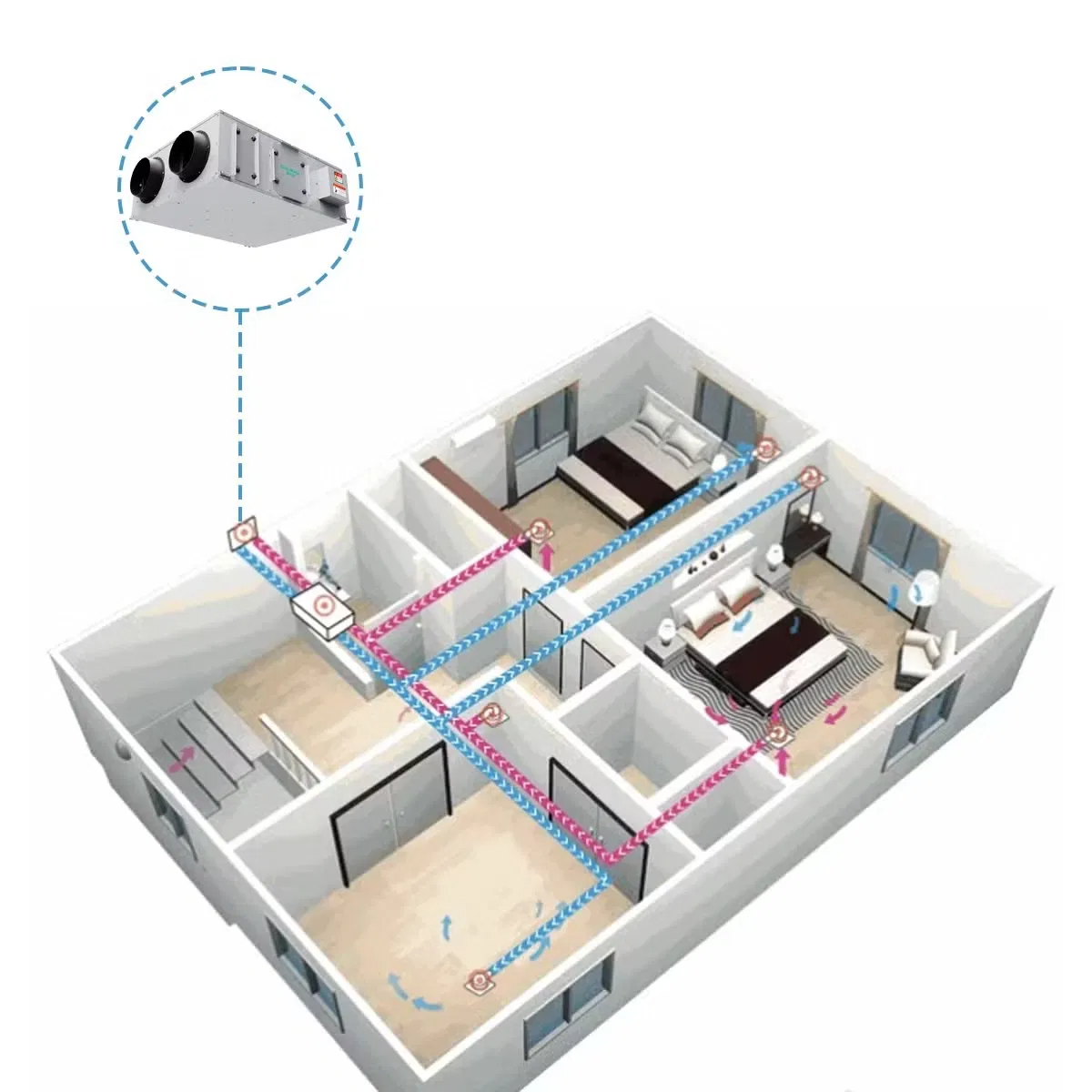
ERVs and HRVs solve this by creating balanced ventilation: they pull in fresh outdoor air, exhaust stale indoor air, and recover energy (either heat alone or heat + moisture) from the outgoing air to condition the incoming air. This means you get constant fresh air without letting precious heated or cooled air escape—win-win for comfort and your wallet.
At a glance, ERVs and HRVs look similar, but their internal cores and functionality set them apart. The biggest distinction? Moisture control.
An HRV focuses solely on heat transfer. Its core captures heat from warm, stale indoor air and uses it to pre-heat cold incoming air in winter. In summer, it reverses course, removing excess heat from hot outdoor air before it enters your home. HRVs do not transfer moisture—they expel humid indoor air outside, making them ideal for homes where excess moisture is a nuisance.
Key Trait: Heat recovery only; no moisture management
Best For: Cold, dry climates; homes with excess indoor humidity (e.g., large households, frequent cooking/showering)
Perk: Slightly more efficient at heat recovery in frigid temperatures; helps prevent condensation and mold in cold seasons
An ERV goes a step further, handling both heat and moisture transfer via a specialized membrane core. In humid summers, it pulls excess moisture from incoming air to keep your home dry and reduce AC strain. In dry winters, it retains some indoor moisture to prevent overly dry air that causes discomfort. This dual functionality makes it incredibly versatile for variable climates.
Key Trait: Heat + moisture (enthalpy) recovery
Best For: Hot, humid climates; mixed/moderate climates; arid regions; airtight homes with balanced moisture levels
Perk: Year-round humidity balance; less strain on HVAC systems; improved comfort in extreme weather
Climate is the single most important factor when selecting an ERV or HRV—follow this simple breakdown to find your perfect fit:
Pick: HRV
In these areas, heat retention is the top priority. HRVs excel at trapping heat indoors while expelling excess moisture that can lead to window condensation, mold growth, and damage to woodwork or flooring. They avoid adding moisture back into dry indoor air, keeping your space comfortable without sticky humidity.
Pick: ERV
Humidity control is non-negotiable here. ERVs prevent muggy outdoor air from flooding your home, reducing the load on your air conditioner and keeping indoor spaces cool and dry. This not only boosts comfort but also lowers summer cooling costs significantly.
Pick: ERV
If you experience cold, dry winters and warm, humid summers, an ERV is the ultimate all-season solution. It balances moisture levels year-round, adapting to shifting weather to maintain consistent comfort without the need for extra humidifiers or dehumidifiers.
Home Tightness: Super airtight, energy-efficient homes benefit most from ERVs, as they regulate moisture that gets trapped in sealed spaces.
Household Size: Larger households produce more moisture; an HRV can help expel that excess, while smaller households may prefer the balanced moisture of an ERV.
Local Building Codes: Some regions have specific ventilation requirements—always check local codes before purchasing.
Even the best ERV or HRV won’t perform well if sized or installed incorrectly. Follow these tips to maximize efficiency:
Size It Right: Avoid over or under-sizing. Work with a certified HVAC pro to calculate airflow needs based on your home’s square footage, number of occupants, and layout.
Prioritize Professional Installation: Improper ductwork, placement, or setup can lead to poor ventilation, noise issues, and energy waste. Trust a licensed technician for installation.
Stick to Maintenance: Regularly replace filters (every 3–6 months) and schedule annual core inspections to keep your system running smoothly for 15–20 years.
Pair with Smart Controls: Many modern ERVs/HRVs work with smart thermostats and humidity sensors, adjusting airflow automatically for hands-off efficiency.
Choosing between an ERV and HRV doesn’t have to be overwhelming. Remember: HRVs for cold, dry climates focused on heat retention; ERVs for humid, mixed, or arid climates needing balanced heat and moisture. Both systems will transform your home’s indoor air quality, boost energy efficiency, and create a healthier, more comfortable living space for you and your family.
Don’t rush the decision—assess your climate, home needs, and budget, and consult a trusted HVAC professional to find the perfect ventilation match. Your lungs (and your utility bills) will thank you!
 18705226241


