


Can an ERV Reduce My Home Heating and Cooling Bills?
Home heating and cooling costs consistently rank among the largest household expenses for homeowners worldwide. As modern homes become more airtight and well-insulated to boost energy efficiency, many people assume their utility bills will drop significantly. However, poor ventilation often negates those savings. Stale indoor air, unbalanced temperatures, and constant HVAC cycling can keep your heating and cooling bills higher than necessary. If you’re wondering can an ERV reduce my home heating and cooling bills, the short answer is yes — and the long-term savings often outweigh the initial investment.
To understand how an ERV saves money, it’s important to first see where typical homes lose energy. Most homeowners rely on windows, bathroom fans, or spot ventilation to refresh indoor air. While these methods bring in fresh air, they create massive energy waste all year long.
In winter, opening windows releases heated indoor air and lets in freezing outdoor air. Your furnace or heat pump must work nonstop to reheat your home, leading to longer run times and higher gas or electric bills. In summer, open windows invite hot, humid air indoors, forcing your air conditioner to cycle constantly to cool and dehumidify the space. Even basic exhaust fans pull out conditioned air without any heat recovery, meaning every air change equals lost energy and wasted money.
Without a controlled ventilation system, your HVAC system is essentially fighting against poor air exchange, working harder to maintain comfortable temperatures while your utility meter keeps spinning.
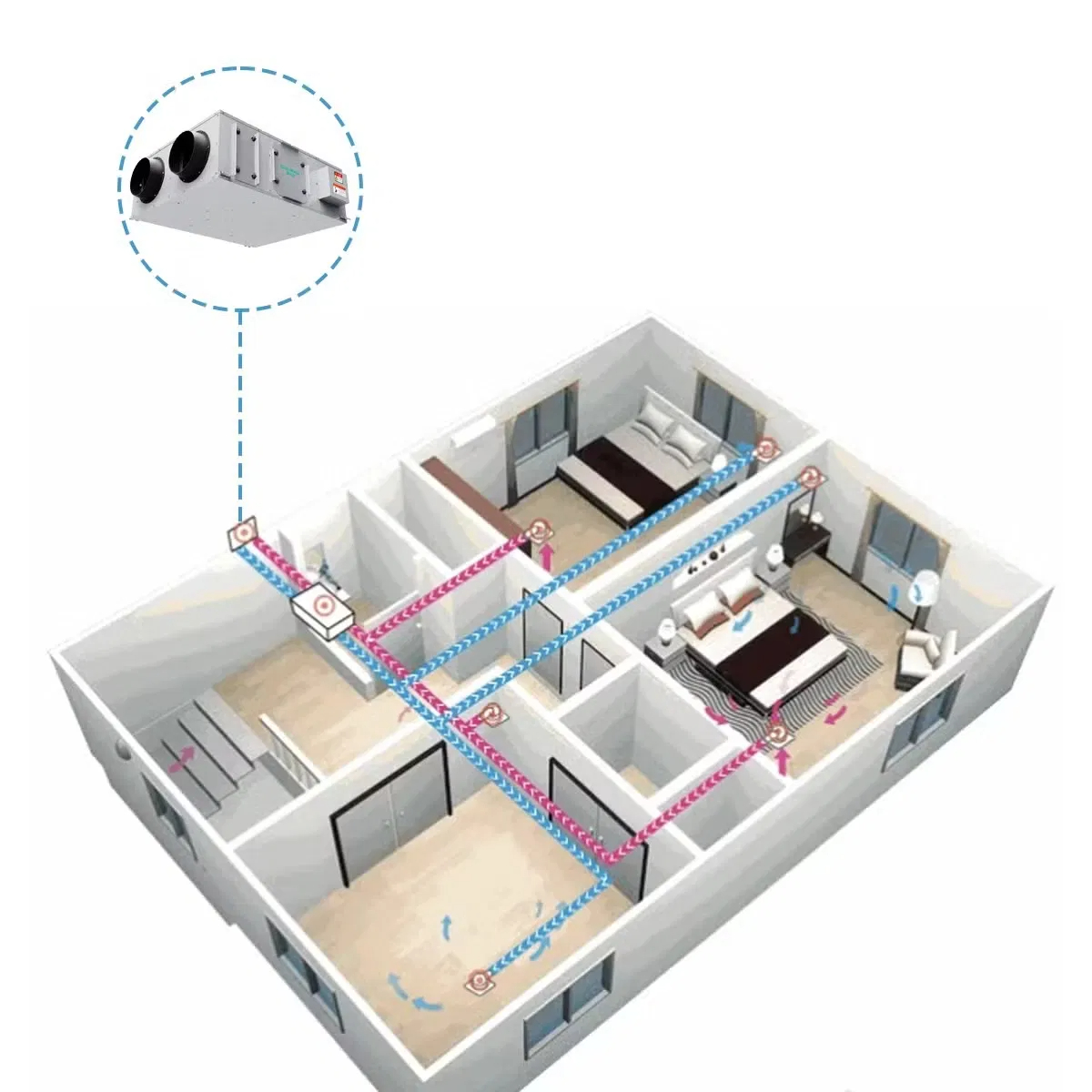
An Energy Recovery Ventilator (ERV) is designed to eliminate ventilation-related energy waste while delivering continuous fresh air. Unlike uncontrolled window ventilation, an ERV performs balanced air exchange with a high-efficiency heat and moisture recovery core — the key component that slashes your seasonal energy bills.
During cold months, the ERV captures residual heat from the warm, stale indoor air being exhausted out of your home. It transfers this captured heat to the cold incoming outdoor air before it enters your living spaces. This pre-warming process means your incoming fresh air is already close to your indoor temperature.
As a result, your heating system doesn’t need to crank up its output to compensate for frigid ventilation air. You eliminate cold drafts, reduce heat loss, and significantly lower your furnace or heat pump runtime throughout winter. Over time, this drastically reduces monthly heating expenses.
Summer energy waste mainly comes from heat gain and excess humidity. Hot, muggy outdoor air forces your AC to work overtime to cool down rooms and remove moisture. An ERV reverses this waste by capturing coolness from the conditioned indoor air being exhausted.
The system pre-cools and dehumidifies incoming warm outdoor air, ensuring the fresh air entering your home no longer spikes indoor temperatures or humidity levels. With less heat and moisture entering your home via ventilation, your air conditioner cycles less frequently, runs shorter cycles, and consumes far less electricity during hot summer seasons.
One underrated money-saving benefit of an ERV is consistent indoor climate stability. Homes without energy recovery ventilation experience constant temperature fluctuations due to irregular air exchange. These fluctuations force HVAC systems to turn on and off repeatedly, which is one of the biggest causes of excess energy consumption and system wear.
An ERV maintains steady indoor air conditions year-round, minimizing temperature swings and reducing unnecessary HVAC cycling. This consistent operation not only lowers monthly bills but also extends the lifespan of your expensive heating and cooling equipment.
Actual savings vary based on local climate, home size, insulation quality, and original ventilation habits. However, industry data shows that homeowners with ERV systems typically save 15% to 30% on annual heating and cooling costs.
Homes in extreme climates — freezing northern winters or hot, humid southern summers — see the most dramatic savings. Tight, energy-efficient new builds and renovated homes benefit the most because their sealed envelopes make uncontrolled ventilation far more wasteful. Even in mild spring and fall seasons, the balanced air exchange of an ERV prevents energy waste while maintaining perfect indoor comfort.
Lower heating and cooling expenses are the most obvious benefit, but an ERV delivers long-term financial perks that boost overall home value and reduce future costs.
An overworked HVAC system accumulates dust, moisture buildup, and mechanical stress faster, leading to frequent maintenance, repairs, and premature replacement. By lightening your HVAC workload, an ERV reduces annual maintenance needs and delays costly equipment upgrades.
Unbalanced indoor humidity causes major home damage over time. Too much moisture leads to mold, mildew, rotting wood, and peeling paint. Overly dry air cracks flooring, damages furniture, and weakens wall materials. ERV maintains optimal 40–60% indoor humidity year-round, preventing humidity-related damage and saving you thousands in home repair costs.
Energy-efficient home upgrades are highly desirable in today’s real estate market. Home buyers prioritize low utility costs, healthy indoor air quality, and smart ventilation systems. A professionally installed ERV is a premium upgrade that increases your home’s market value and makes your property more competitive.
Many homeowners hesitate to install an ERV, worrying the system’s fan operation will add extra electricity costs. While it’s true an ERV consumes a small amount of power to run fans, the energy it saves on heating and cooling far outweighs its operational power usage.
Modern ERV units feature energy-efficient DC motors and smart automatic modes that adjust airflow based on indoor air conditions. Their minimal power consumption is negligible compared to the hundreds of dollars saved on annual HVAC bills, resulting in net positive savings every year.
If you want to enjoy fresh, healthy indoor air without sacrificing energy efficiency or overpaying for heating and cooling, an ERV is one of the best home upgrades you can make. It eliminates ventilation energy waste, stabilizes your indoor climate, cuts seasonal utility expenses, and protects your home and HVAC equipment long-term.
An ERV doesn’t just improve indoor air quality and comfort — it actively reduces your home’s heating and cooling bills all year long. For homeowners tired of rising utility costs and inefficient traditional ventilation, an ERV is a smart, sustainable, and cost-effective long-term solution.
 18705226241


