


Can an ERV Lower Your Heating and Cooling Bills? Real Benefits Explained
Home and commercial building energy costs have continued to climb in recent years, with heating and cooling expenses ranking among the largest monthly utility burdens for property owners. Many people strive to balance comfortable indoor temperatures with affordable energy bills, yet constant ventilation often forces a tough compromise: seal the space tight to save energy and suffer from stale indoor air, or open windows for fresh air and watch HVAC costs skyrocket. If you’re tired of choosing between air quality and budget-friendly living, you may wonder: can an ERV actually lower your heating and cooling bills? The short answer is yes — and the real, long-term financial benefits are far more substantial than most homeowners expect.
To understand how an ERV cuts your utility bills, it’s essential to first recognize the energy waste caused by traditional ventilation methods. Natural ventilation via open windows and basic exhaust fans flushes stale indoor air out but completely discards the conditioned air you’ve already paid to heat or cool.
In winter, every time you bring in cold outdoor air, your furnace or heat pump has to work overtime to rewarm your entire living space. In summer, sweltering, humid outdoor air floods indoors, forcing your air conditioner to run longer and cycle more frequently to restore cool, comfortable temperatures. This continuous loss of conditioned air creates invisible but costly energy leakage all year long. Without an efficient recovery system, fresh air always comes with a premium heating and cooling cost.
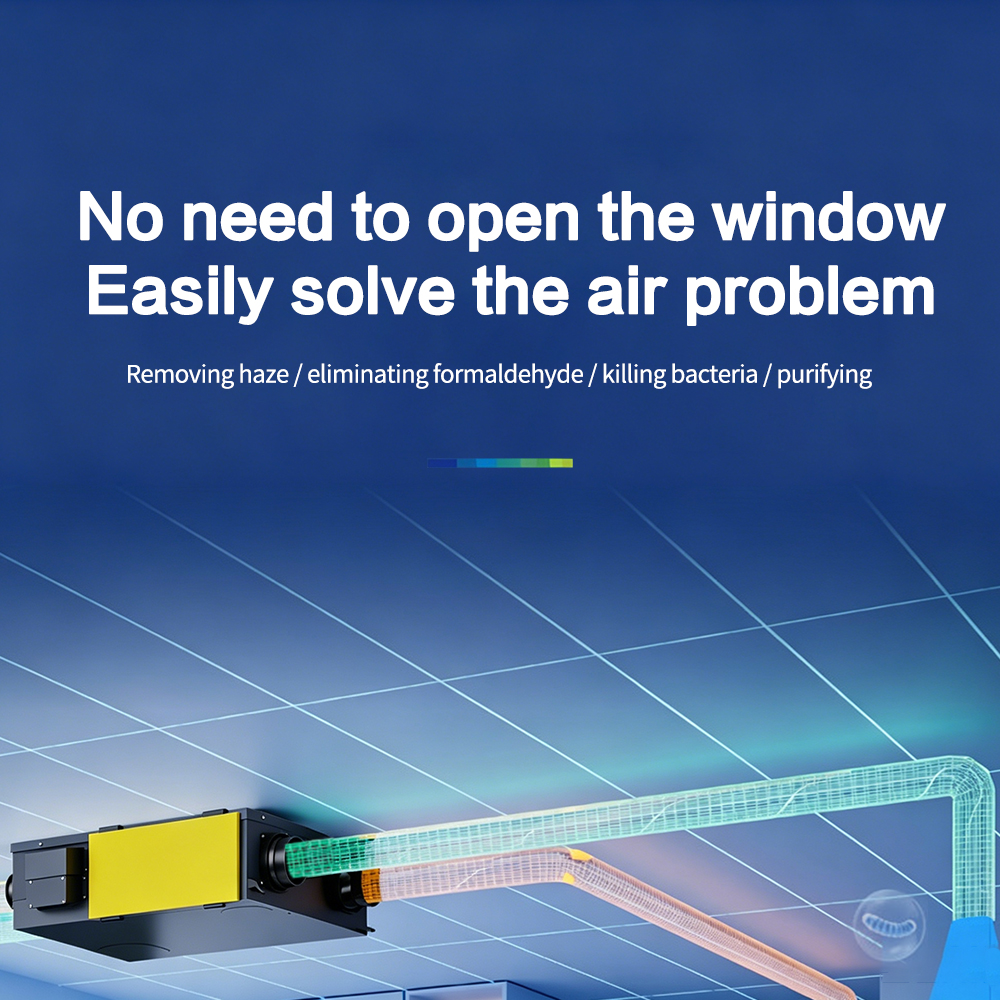
Energy Recovery Ventilation (ERV) systems are engineered to eliminate this unnecessary energy waste by capturing and reusing the thermal energy from outgoing stale air. Equipped with a high-efficiency dual-core heat and moisture exchanger, an ERV runs two separate air streams simultaneously — exhausting stale indoor air outdoors and pulling fresh outdoor air indoors without cross-contamination.
During cold winter months, the warm indoor air being vented out transfers its residual heat to the incoming cold fresh air. This pre-heats the outdoor air before it enters your rooms, drastically reducing the temperature difference that your heating system needs to compensate for. Your heater runs less frequently, operates more efficiently, and consumes far less gas or electricity to maintain a steady indoor temperature.
In hot and humid summer weather, the process reverses. The cool, conditioned indoor air exiting the home pre-cools and dehumidifies incoming warm outdoor air. This eases the heavy workload of your air conditioner, prevents overcycling, and reduces peak energy consumption during the hottest parts of the day. Unlike window ventilation that spikes cooling bills, ERV ventilation delivers fresh air without sacrificing your cooled indoor environment.
One of the biggest advantages of an ERV is its predictable, quantifiable energy savings. For most residential homes, a properly sized and professionally installed ERV system reduces overall HVAC energy consumption by25% to 35% per year. For commercial buildings, offices, and multi-unit residences, the annual savings can be even higher due to longer daily operation hours and larger ventilation demands.
These savings directly translate to lower monthly heating and cooling bills. Over a single year, homeowners can save hundreds of dollars in utility costs, while commercial property owners can cut thousands in operational energy expenses. What makes the ERV even more cost-effective is its ultra-low power consumption. The system runs 24/7 to maintain air quality but uses minimal electricity, creating a net positive saving every month.
Additionally, consistent HVAC load reduction reduces wear and tear on your heating and cooling equipment. With fewer extreme temperature adjustments and shorter runtimes, your HVAC system enjoys a longer service life, lowering maintenance fees and delaying expensive replacement costs — another hidden financial benefit of ERV installation.
While lower heating and cooling bills are the most immediate reward, an ERV adds long-term value to your property that enhances your investment return.
Traditional ventilation creates uneven indoor temperatures, causing hot and cold spots throughout your home and forcing your HVAC system to overcompensate. An ERV delivers consistent, tempered fresh air evenly across rooms, maintaining stable indoor temperatures and eliminating energy-wasting temperature swings.
Excessive indoor humidity in summer makes your home feel hotter and forces AC units to work harder, while dry winter air amplifies cold discomfort. ERVs balance indoor humidity levels year-round by transferring moisture between air streams. Proper humidity control eases HVAC pressure, improves thermal comfort, and further reduces energy waste.
In many regions, energy-efficient upgrades like ERV systems qualify for green building rebates, tax incentives, and sustainable energy programs. These incentives lower upfront installation costs while your ongoing utility savings deliver long-term financial gains, making ERV a high-return home improvement project.
Many homeowners hesitate to install an ERV due to misleading myths about its energy performance. The most common misconception is that running a ventilation system nonstop will increase electricity bills. In reality, the minimal operational power of an ERV is negligible compared to the massive HVAC energy waste it prevents.
Another myth is that ERVs only work in extreme climates. In truth, ERVs deliver consistent savings in cold, hot, temperate, and humid regions alike. No matter your local climate, year-round ventilation is necessary for healthy indoor air, and an ERV ensures that mandatory ventilation no longer comes with inflated heating and cooling costs.
If you’re searching for a sustainable, long-term solution to cut heating and cooling expenses while upgrading your indoor air quality, an ERV system is absolutely worth the investment. It eliminates the age-old trade-off between fresh air and low energy bills, reduces monthly HVAC consumption, extends your equipment lifespan, and increases overall property value.
Rather than paying a premium for ventilating your home or business, an ERV turns necessary ventilation into an energy-saving asset. With measurable annual savings, improved indoor comfort, and eco-friendly operation, it is one of the smartest upgrades for any modern residential or commercial building.
 18705226241


