


How many times have you walked into your home after a long day and noticed stale air, lingering cooking odors, or that stuffy feeling that makes it hard to fully relax? Maybe you’ve avoided opening windows in extreme heat, freezing cold, or during high pollen seasons, leaving your indoor air trapped and full of hidden pollutants. For years, many of us settled for spot ventilation (like basic bathroom or kitchen fans) or occasional window cracks, but there’s a smarter, more consistent solution: balanced ventilation. It’s not just a home upgrade—it’s a game-changer for respiratory health, daily comfort, and even energy efficiency, letting you truly breathe easy in your own space.
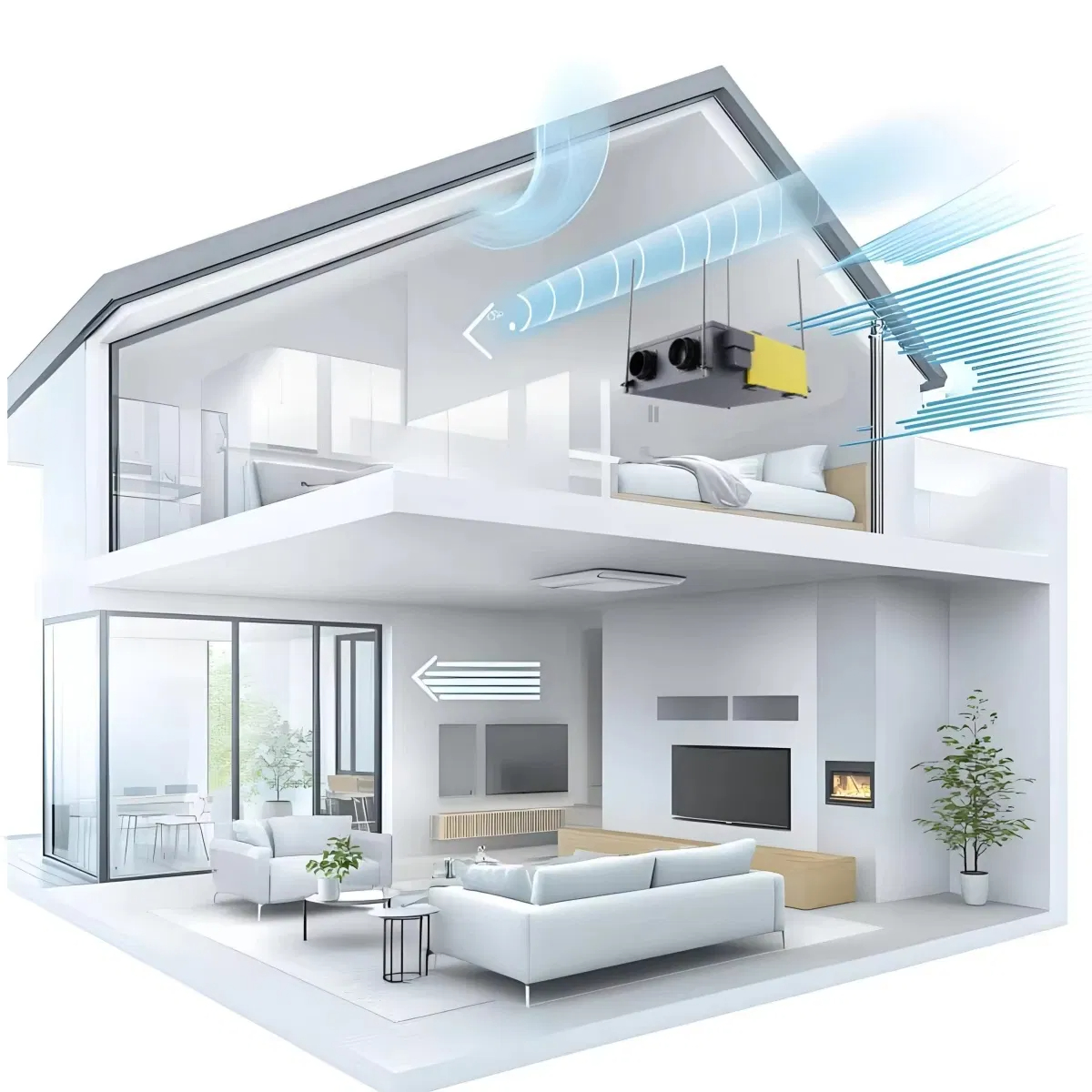
Let’s keep it simple: Balanced ventilation is a whole-home mechanical ventilation system that works with two synchronized air streams to maintain perfect air balance indoors. Unlike exhaust-only systems that only push air out (creating negative pressure) or supply-only systems that only push air in (creating positive pressure), balanced ventilation does both at equal, controlled rates.
Here’s how it works: One stream pulls fresh, filtered outdoor air into the main living areas of your home—think bedrooms, living rooms, and home offices, where you spend most of your time. The second stream quietly exhausts stale, polluted indoor air from high-moisture, high-pollutant zones: kitchens, bathrooms, laundry rooms, and basements. This equal exchange keeps your home at neutral air pressure, no drafts, no pressure imbalances, and no unwanted outdoor air seeping in through cracks or gaps.
Most modern balanced ventilation systems also includeheat or energy recovery technology (HRV/ERV), which is a huge bonus for year-round comfort and savings. These systems transfer heat (and moisture, for ERVs) from the outgoing stale air to the incoming fresh air, so you don’t waste energy heating or cooling brand-new outdoor air from scratch.
We’ve all relied on old-school ventilation tricks, but they come with big flaws that balanced ventilation fixes completely:
Window ventilation limitations: Opening windows lets in pollen, dust, outdoor pollution, noise, and extreme temperatures. It’s also ineffective in sealed, energy-efficient modern homes and risky during bad weather or allergy seasons.
Exhaust-only fan weaknesses: Basic bathroom and kitchen fans only remove air, creating negative pressure that pulls in unfiltered air from attics, crawl spaces, or outside—often carrying more pollutants than it removes. They also don’t deliver fresh air to living spaces.
Random, inconsistent airflow: Sporadic ventilation means indoor air quality plummets between uses, letting VOCs, formaldehyde, mold spores, and excess CO₂ build up to unhealthy levels.
Balanced ventilation runs continuously (or on a smart schedule) for steady, reliable air exchange, no effort required from you.
This is the biggest win for your health. Indoor air is often 2-5 times more polluted than outdoor air, according to the EPA, thanks to off-gassing from furniture, paint, and cleaning products, cooking fumes, pet dander, dust mites, and excess moisture. Balanced ventilation flushes out these harmful contaminants around the clock and brings in filtered fresh air, reducing levels of formaldehyde, VOCs, and allergens significantly. For allergy sufferers, asthma patients, kids, and seniors, this means fewer respiratory flare-ups, less congestion, and better overall wellness.
Tired of cold drafts in winter or hot, humid air in summer? Balanced ventilation eliminates that. The controlled air exchange avoids sudden temperature shifts, and HRV/ERV technology keeps incoming air close to your home’s set temperature. It also regulates humidity levels, preventing the dampness that causes mold and mildew, and the dry air that irritates skin and sinuses. Every room in your home feels comfortable, no hot or cold spots.
You might think constant ventilation means higher energy bills, but balanced ventilation with heat/energy recovery is surprisingly efficient. These systems recapture up to 85% of the energy from outgoing stale air to condition incoming fresh air, cutting down on the work your heating and cooling systems need to do. Unlike opening windows (which wastes massive energy), balanced ventilation protects your home’s energy efficiency while keeping air fresh—ideal for modern, tightly sealed homes built for energy savings.
Cooking smells, pet odors, bathroom dampness, and musty basement scents don’t stand a chance with balanced ventilation. It continuously removes odor-causing particles before they linger, so your home always smells clean and fresh, no need for heavy air fresheners or constant fan running.
Balanced ventilation isn’t just for luxury homes—it’s for anyone who values clean air and comfort. It’s especially perfect for:
Newly built, tightly sealed energy-efficient homes (these homes trap air and pollutants without proper ventilation)
Homes in areas with high pollen, pollution, or extreme weather (where window ventilation isn’t feasible)
Households with allergy or asthma sufferers, or anyone with respiratory sensitivities
Homes prone to mold, dampness, or persistent indoor odors
Families prioritizing non-toxic, healthy living spaces
Myth 1: Balanced ventilation is noisy and disruptive. Fact: Modern systems are designed for quiet operation, with ultra-silent fans and insulated ducts—you’ll barely notice they’re running.
Myth 2: It’s too expensive to install. Fact: While there’s an upfront cost, the long-term savings on energy bills, fewer HVAC repairs, and reduced health-related expenses make it a worthwhile investment. Many areas also offer energy efficiency rebates for ventilation upgrades.
Myth 3: I don’t need it if I have an air purifier. Fact: Air purifiers filter existing air but don’t replace it—balanced ventilation brings in fresh outdoor air, which purifiers can’t do. They work great together, but one can’t replace the other.
If you’re ready to ditch stale, polluted indoor air for good, here’s how to get started:
Assess your home’s ventilation needs: Check for persistent stuffiness, odors, or moisture issues—these are red flags for poor ventilation.
Consult a professional HVAC technician: Get a customized recommendation for an HRV or ERV system sized perfectly for your home’s square footage and layout.
Prioritize regular maintenance: Simple filter changes and annual check-ups keep your balanced ventilation system running efficiently for years.
We spend roughly 90% of our time indoors, so the quality of the air we breathe at home directly impacts our energy, sleep, mood, and long-term health. Balanced ventilation isn’t just a home improvement—it’s an investment in everyday wellness. No more stuffy rooms, no more hidden pollutants, no more choosing between fresh air and energy efficiency.
With balanced ventilation, you can open your windows (metaphorically) 24/7, no matter the weather outside. It’s time to stop settling for stale air and start breathing easy, consistently, in the space that should be your healthiest haven.
Have you noticed poor indoor air quality in your home? What’s your biggest struggle with stale air? Share your thoughts in the comments below!
 18705226241


