


Boost Indoor Air Quality with ERV Ventilation
Most homeowners prioritize clean floors, tidy rooms, and comfortable temperatures, yet overlook one critical factor that shapes daily health: indoor air quality (IAQ). Modern homes are built to be airtight and well-insulated to cut heating and cooling costs, but this energy-saving design traps a wide range of invisible airborne pollutants indoors. Stagnant air, rising CO₂ levels, hidden allergens, and excess humidity can quietly affect your sleep, energy levels, and respiratory health. Fortunately, ERV ventilation offers a simple, long-term solution to drastically boost indoor air quality while keeping your home energy-efficient all year round.
Gone are the days of drafty homes with natural cross-ventilation. Today’s residential buildings feature sealed windows, high-performance insulation, and air-tight building envelopes that prevent conditioned air from escaping. While these features lower utility bills, they turn living spaces into closed environments where pollutants accumulate endlessly.
Common indoor air pollutants that plague everyday homes include:
Elevated CO₂: Released from human breathing, leading to drowsiness, poor focus, and headaches when levels build up
VOCs (Volatile Organic Compounds): Emitted from furniture, paint, cleaning supplies, and air fresheners, causing irritation and long-term discomfort
Allergens & Irritants: Pet dander, dust mites, pollen, and mold spores that trigger allergies and asthma flare-ups
Lingering Odors & Residues: Cooking fumes, pet smells, and mildew odors that linger in stagnant air
Unbalanced Humidity: Excess moisture fuels mold growth, while overly dry air irritates skin and respiratory tracts
Opening windows seems like an easy fix, but it is inconsistent, weather-dependent, and wastes massive amounts of heating and cooling energy. This is precisely why ERV ventilation has become the gold standard for sustainable, healthy indoor air quality improvement.
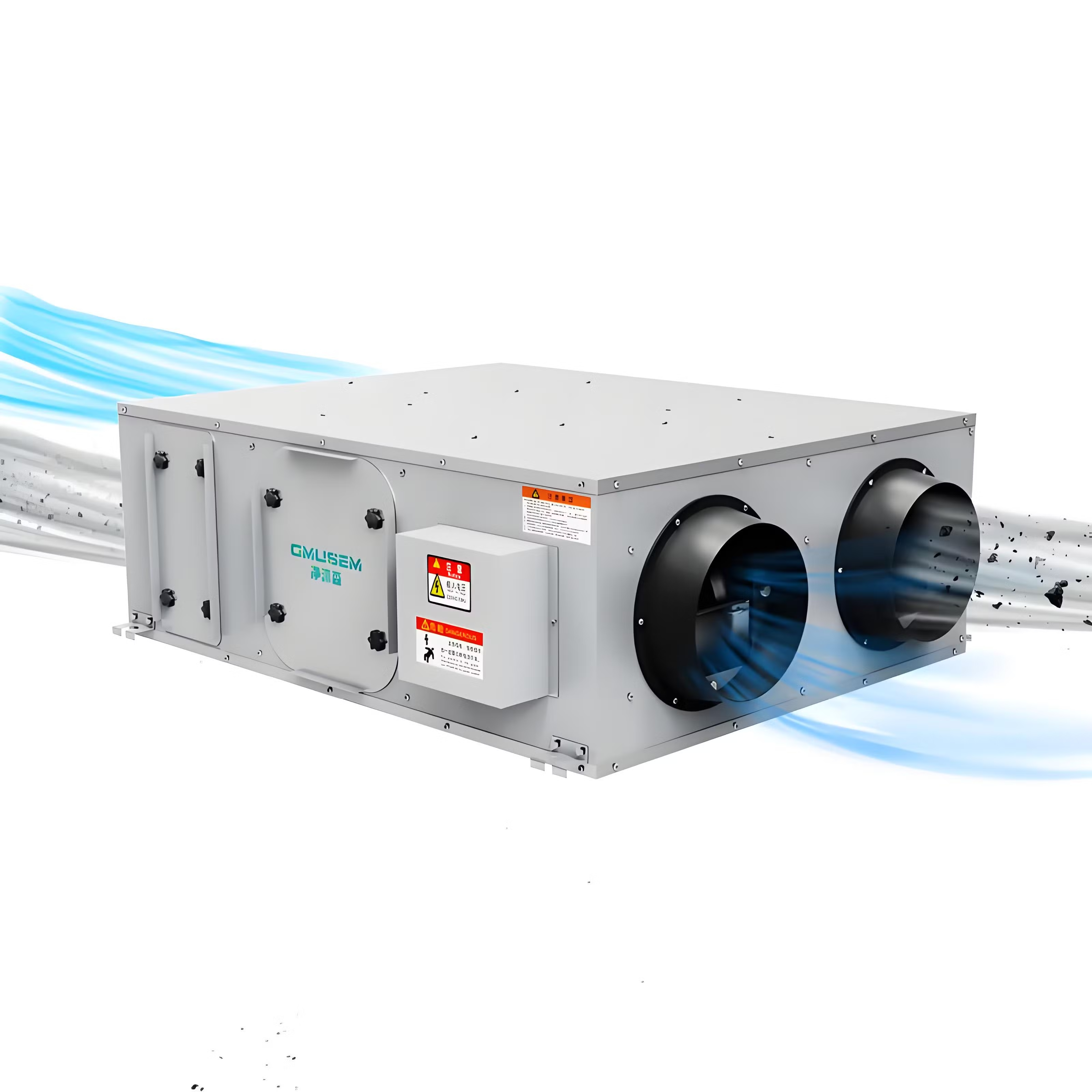
ERV stands for Energy Recovery Ventilation, a whole-home mechanical ventilation system designed for one core mission: deliver continuous fresh air exchange without energy loss. Unlike basic exhaust fans that only push air out or window ventilation that disrupts indoor climate, ERVs create balanced, controlled airflow to purify indoor air 24/7.
The system uses dual fans to exhaust stale, polluted indoor air and draw in filtered outdoor fresh air simultaneously. The two air streams pass through a heat and moisture recovery core without mixing, recovering 70–90% of the temperature and humidity from outgoing air. This unique design ensures air quality improvement never comes at the cost of home comfort or high energy bills.
Spending long hours in closed bedrooms, home offices, and living rooms causes CO₂ to accumulate rapidly. High indoor CO₂ creates stuffy air, brain fog, fatigue, and restless sleep. ERV systems provide consistent, low-volume air exchange around the clock, steadily flushing out accumulated CO₂ and replenishing oxygen-rich fresh air. Even in fully sealed homes, the air remains fresh and breathable all day and night.
Outdoor air contains pollen, dust, and airborne debris, while indoor air harbors pet dander and dust mites. Simply opening windows lets unfiltered outdoor pollutants flood indoors, worsening seasonal allergies. ERV units come with high-efficiency built-in filters that trap most airborne particles before fresh air enters your living space. For allergy sufferers, families with pets, or residents in pollen-heavy areas, this filtered ventilation creates a significantly healthier breathing environment.
Many invisible toxic compounds accumulate in closed homes. VOCs from new furniture or cleaning products, greasy cooking fumes, and lingering pet odors cannot dissipate without proper ventilation. ERV’s continuous air circulation system dilutes and expels these harmful residues and odors gradually but effectively, preventing toxic buildup and keeping indoor air clean and odor-free naturally.
Humidity imbalance is a hidden cause of poor indoor air quality. Excess indoor moisture condenses on walls, windows, and ceilings, breeding mold, mildew, and bacteria that release harmful spores into the air. Unlike standard ventilation systems, ERVs actively transfer moisture between incoming and outgoing air streams, maintaining an ideal indoor humidity level of 40–60%. This balanced humidity inhibits mold growth, protects your home structure, and eliminates damp, musty air.
To understand why ERVs excel at boosting air quality, it helps to compare them with conventional ventilation methods:
Window Ventilation: Unfiltered, weather-dependent, causes temperature swings and energy waste, ineffective for consistent pollutant removal
Bathroom/Kitchen Exhaust Fans: Only ventilates local areas, cannot improve whole-home air quality, no energy recovery function
Air Purifiers: Only filters existing indoor particles, cannot remove CO₂ or VOCs, fails to replenish fresh oxygen
ERV Ventilation: Whole-home continuous air exchange, filters pollutants, balances humidity, reduces CO₂, and saves energy simultaneously
No other single home system can address the full spectrum of indoor air quality issues as comprehensively as an ERV unit.
ERV ventilation is a transformative upgrade for every household, especially ideal for these groups:
Families with young children, seniors, or individuals with allergies and respiratory sensitivities
Homeowners living in newly constructed, airtight energy-efficient houses
Pet owners struggling with persistent indoor odors and pet allergens
People who work from home and spend most of their time indoors
Residents in humid or dry climates with unbalanced indoor air conditions
To sustain top-tier indoor air quality year-round, basic ERV maintenance is essential and hassle-free:
Replace or clean air filters every 3–6 months to ensure unobstructed airflow and filtration efficiency
Clean the heat and moisture recovery core annually to prevent dust buildup that hinders ventilation performance
Clear outdoor vents of leaves, dust, and debris seasonally to maintain smooth air exchange
Run the system continuously on low speed for consistent IAQ, adjusting fan speed for high-occupancy or cooking moments
Clean indoor air is not a luxury—it is a fundamental foundation of family health and daily comfort. While energy-efficient airtight homes save money, they inevitably create poor indoor air quality issues that affect your well-being. ERV ventilation solves this dilemma perfectly, delivering filtered, fresh, humidity-balanced air throughout your home without sacrificing energy efficiency.
If you want to breathe cleaner air, reduce allergy symptoms, eliminate stuffy rooms, and create a healthier living environment for your family, installing an ERV system is one of the most practical, high-return home improvements you can make.
 18705226241


