


Better Air Ventilation = Healthier, More Energy-Efficient Homes
When upgrading our homes, most homeowners focus on energy-saving lights, smart thermostats, or new insulation to cut costs and boost comfort. While these upgrades make a visible difference, there’s one underrated improvement that delivers double benefits for your family and your utility bills: better air ventilation. Many people see ventilation as nothing more than opening windows to reduce stuffiness, but high-quality, well-balanced air ventilation does far more. It creates healthier living environments for every household member and significantly boosts home energy efficiency, proving one simple truth: better air ventilation equals healthier, more energy-efficient homes.
Modern residential architecture prioritizes airtightness for thermal insulation. New windows, sealed door frames, and insulated walls effectively prevent outdoor temperature penetration and reduce heating and cooling waste. However, this tight building design creates a hidden dilemma. Without matched ventilation systems, indoor air becomes trapped in a closed loop, leading to two major problems: poor indoor air quality and wasted energy.
Stagnant indoor air accumulates carbon dioxide exhaled by human bodies, residual VOCs from furniture and paint, cooking fumes, bathroom moisture, and tiny allergen particles. Long-term inhalation of such polluted air causes persistent fatigue, poor sleep quality, frequent allergies, and respiratory discomfort. Meanwhile, many homeowners adopt inefficient solutions to fix indoor discomfort. They crank up air conditioners to eliminate stuffiness, run dehumidifiers nonstop to reduce moisture, or keep air purifiers working at full speed. These makeshift fixes consume extra electricity without fundamentally solving air circulation problems, resulting in a vicious cycle of poor air quality and high energy consumption.
Effective air ventilation is the most fundamental solution to improving indoor air quality. Unlike air purifiers that only filter existing indoor air, ventilation builds a dynamic air exchange system, discharging stale, polluted indoor air and importing fresh, oxygen-rich outdoor air continuously. This active air renewal brings tangible health benefits for every room in your house.
For families with kids, elderly members, or allergy sufferers, optimized ventilation acts as a natural health barrier. It reduces reliance on electric air treatment devices, minimizes exposure to airborne pollutants and allergens, and maintains a mild, clean, and breathable indoor environment all year round.
Stale, humid indoor air increases the load on air conditioners and heaters. In summer, trapped moisture makes indoor air feel sticky and hot, forcing air conditioners to run longer and consume more power to reach the set temperature. In winter, stagnant cold air accumulates in low corners of rooms, leading to uneven indoor temperatures and repeated heating consumption. Proper air ventilation balances indoor temperature and humidity, making indoor temperatures more stable and reducing the working pressure of HVAC equipment.
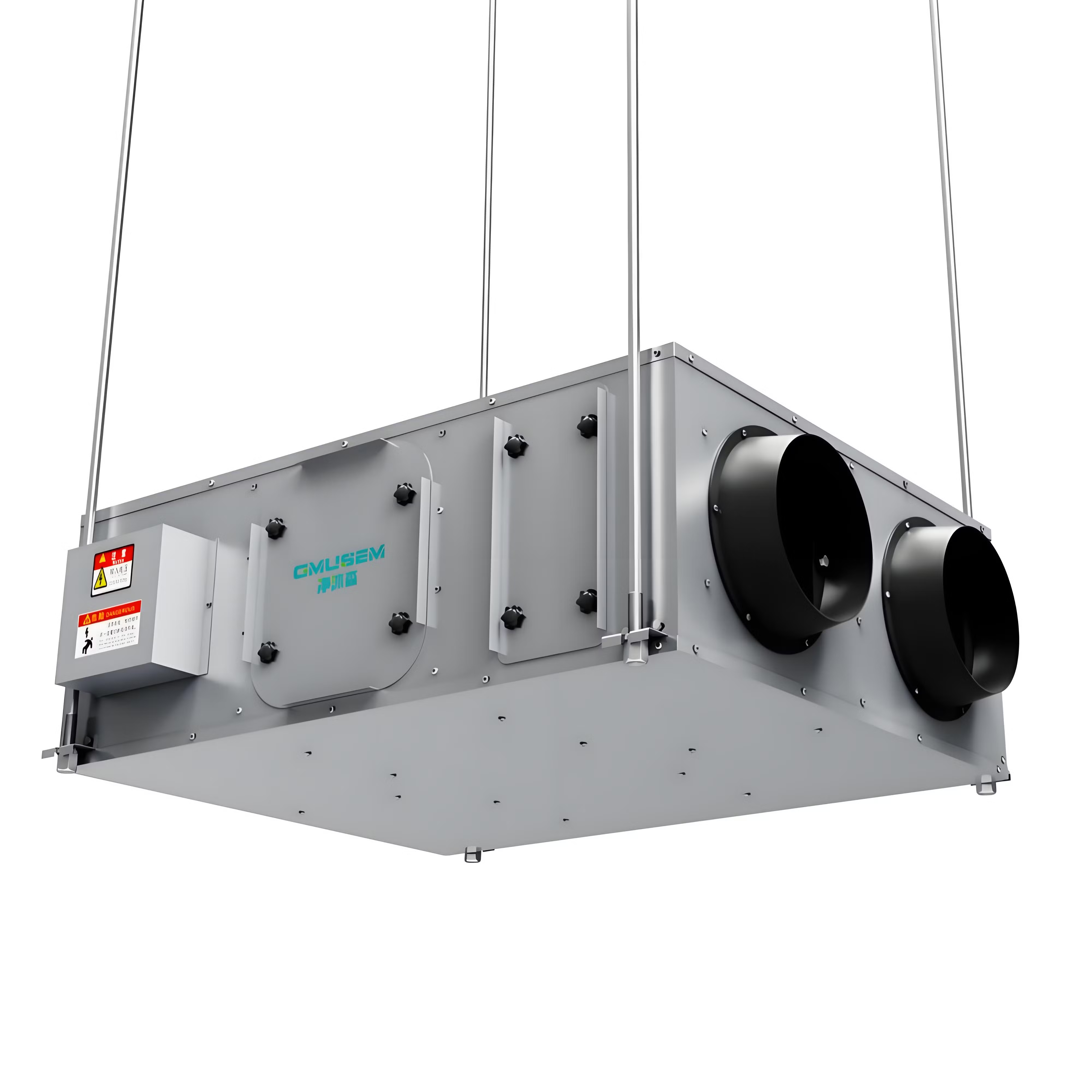
Advanced mechanical ventilation systems like HRV (Heat Recovery Ventilation) and ERV (Energy Recovery Ventilation) maximize energy savings. These intelligent systems recover heat or energy from exhausted indoor air and transfer it to incoming fresh air. In winter, they preheat cold outdoor air; in summer, they cool down hot outdoor air. This energy recovery design avoids indoor temperature loss caused by air exchange, eliminates the need for frequent window ventilation, and cuts household energy consumption by 20% to 30% annually. Compared with blind natural ventilation and long-hour mechanical air treatment, energy-efficient ventilation is both eco-friendly and cost-effective.
To gain the dual benefits of health and energy savings, homeowners need to abandon random ventilation habits and form scientific ventilation strategies. For mild spring and autumn weather, regular natural ventilation for 20 to 30 minutes every morning and evening effectively renews indoor air without causing excessive temperature fluctuations.
In extreme hot, cold, hazy, or pollen-heavy seasons, mechanical ventilation systems are the optimal choice. Equipped with high-efficiency filters, these systems block outdoor dust, pollen, and pollutants while achieving constant air exchange. They ensure indoor air freshness without sacrificing indoor temperature stability, perfectly solving the conflict between ventilation needs and energy conservation.
It is also essential to ventilate neglected spaces. Bathrooms, kitchens, and wardrobes are prone to moisture accumulation. Timely local ventilation prevents mold growth and odor retention, avoiding additional energy consumption from dehumidification and cleaning work.
A healthy and energy-efficient home is not built on expensive single upgrades, but on balanced and scientific living system optimization. Air ventilation is the most cost-effective home improvement that brings dual returns for health and energy savings. Better ventilation does not just freshen up your rooms—it protects your family’s physical health, stabilizes indoor comfort, and slashes unnecessary energy waste month after month.
Never treat ventilation as an optional trivial detail. By optimizing your home air circulation with scientific natural ventilation and intelligent mechanical ventilation solutions, you can easily create a living space that is cleaner, healthier, warmer in winter, cooler in summer, and far more energy-efficient.
 18705226241


