


If you’ve been shopping for whole-home ventilation systems or researching ways to boost indoor air quality and cut energy costs, you’ve almost certainly come across Energy Recovery Ventilators (ERVs). And if you live in a humid climate—whether it’s sticky summer heat or year-round dampness—you’ve probably wondered: Can an ERV replace my dehumidifier?
The short answer? No. An Energy Recovery Ventilator is NOT a dehumidifier.
This is one of the most persistent myths in residential HVAC, and it’s easy to see why: ERVs do interact with moisture in the air, and they can help manage indoor humidity levels indirectly. But confusing an ERV for a dehumidifier sets unrealistic expectations, leads to poor indoor comfort, and can even leave you dealing with mold, musty odors, and excess dampness that an ERV simply can’t fix. Let’s break down the key differences, how each device works, and when you actually need one (or both) for your home.
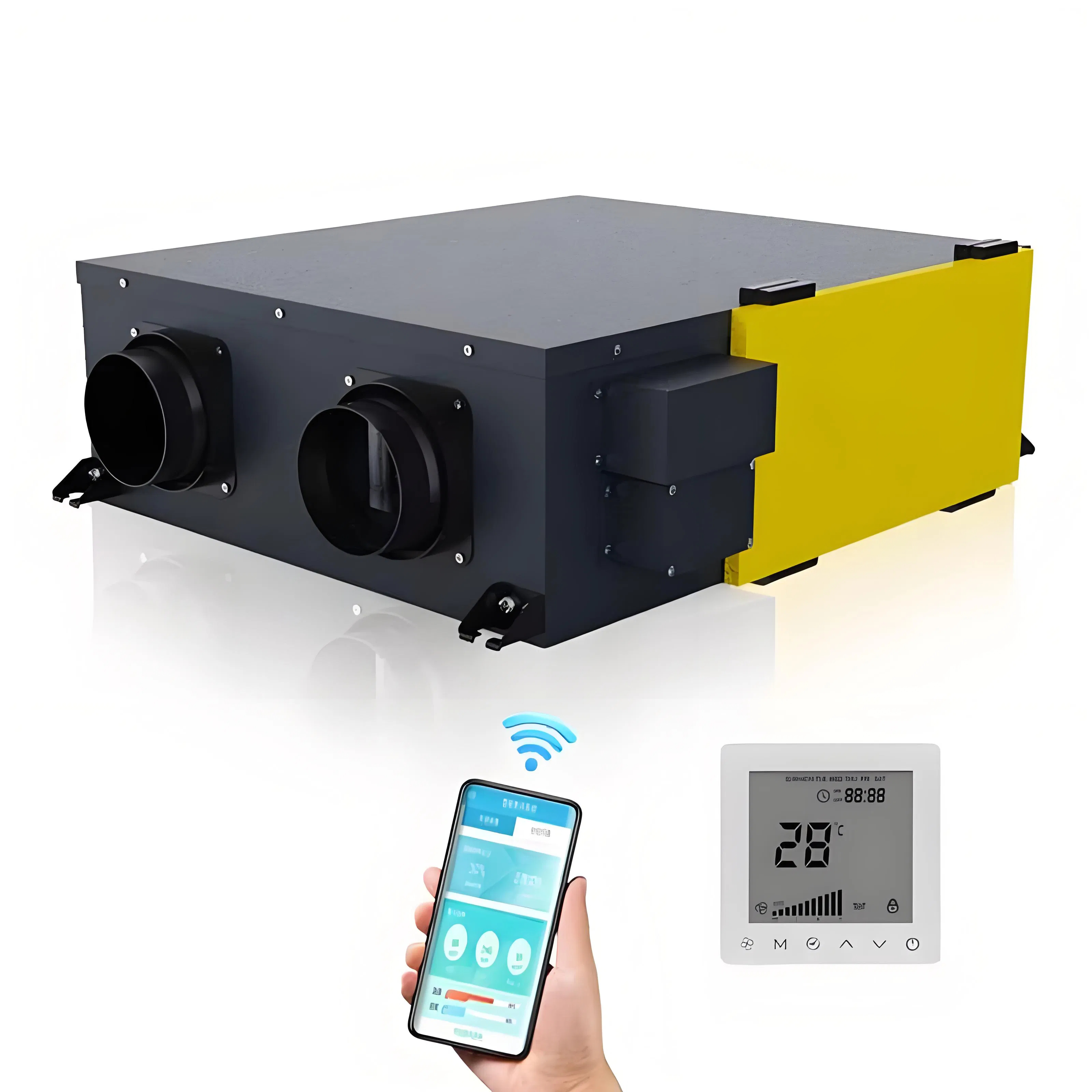
An Energy Recovery Ventilator is abalanced ventilation system designed to solve a critical problem in modern, airtight homes: stale, polluted indoor air. Unlike basic exhaust fans or window ventilation, ERVs facilitate controlled, continuous air exchange between the indoors and outdoors without wasting energy.
Here’s its core operating principle: The unit pulls in fresh outdoor air and expels stale indoor air through two separate airstreams. These airstreams pass through a heat/moisture exchange core (no mixing of air occurs, keeping pollutants out) where the ERV transfers sensible heat (temperature) and latent heat (moisture) between the two streams.
In Winter: Warm, humid indoor exhaust air transfers heat and moisture to cold, dry incoming outdoor air. This preheats and humidifies fresh air, stopping dry, frigid outside air from chilling your home and sapping indoor humidity.
In Summer: Cool, drier indoor exhaust air transfers coolness to hot, humid incoming outdoor air, and pulls some excess moisture from the fresh airstream. This pre-cools and partially dries fresh air, lightening the load on your air conditioner.
The ERV’s superpower is energy efficiency and indoor air quality—it brings in clean, filtered fresh air, flushes out VOCs, carbon dioxide, odors, and allergens, and retains up to 80% of the energy your HVAC system has already used to heat or cool indoor air. It manages moisture transfer, but it does not remove moisture from your home’s air.
A dehumidifier is a moisture removal machine with one primary job: extract excess water vapor from existing indoor air to lower relative humidity (RH) to a comfortable, healthy range (typically 30–50%). It operates entirely on recirculated indoor air—no fresh air exchange happens here.
Standard dehumidifiers work by pulling warm, humid air over cold evaporator coils. Moisture in the air condenses into liquid water, which drains into a bucket or a plumbing line, and the drier, slightly warmer air is pushed back into your home. This active moisture extraction is what fixes sticky air, prevents condensation on windows/walls, stops mold and mildew growth, and eliminates that damp, musty smell in basements, bathrooms, or whole-house spaces.
Key Distinction: ERVs redistribute moisture between indoor and outdoor air; dehumidifiers eliminate moisture from your home entirely. One is a ventilation tool, the other is a humidity control tool.
The mix-up between ERVs and dehumidifiers stems from the ERV’s partial moisture management in summer: it does reduce the amount of humid outdoor air entering your home, which slows indoor humidity buildup. But this is not dehumidification—and here’s why that’s a critical difference:
ERVs Don’t Lower Indoor Humidity on Humid Days: When outdoor air is extremely humid, an ERV only transfers some moisture from incoming air to exhaust air—not all. The fresh air entering your home is still humid, and over time, indoor RH will rise. Unlike a dehumidifier, it can’t actively pull excess moisture out of the air to bring RH down to comfortable levels.
ERVs Prioritize Ventilation, Not Dry Air: An ERV’s main goal is fresh air exchange, not moisture control. If you rely solely on an ERV to fight dampness, you’ll still deal with sticky rooms, mold risks, and discomfort in peak humidity seasons.
Wrong Tool for the Job Wastes Money: Buying an ERV expecting it to act as a dehumidifier means you’ll still need to purchase a separate dehumidifier anyway. Conversely, a dehumidifier will never improve indoor air quality or boost energy efficiency like an ERV.
Now that we’ve cleared up the core difference, let’s outline the ideal use cases for each device to optimize your home’s comfort and air quality:
Consistent fresh air circulation in a tightly sealed, energy-efficient home
Reduced heating and cooling costs by recycling conditioned air energy
Relief from stale air, indoor odors, VOCs, or trapped allergens
Balanced indoor humidity (not overly dry in winter, not overly humid in summer) without active moisture removal
Active reduction of high indoor relative humidity (above 60%)
Mold and mildew prevention in damp spaces (basements, crawlspaces, humid climates)
Relief from sticky, uncomfortable indoor air in summer
Protection against moisture damage to walls, furniture, and flooring
For homeowners in hot, humid regions or with airtight, modern homes, pairing an ERV with a dehumidifier is the perfect combo. The ERV delivers fresh, filtered air and cuts energy waste, while the dehumidifier tackles excess moisture to keep indoor RH in check. This setup gives you clean air, lower utility bills, and dry, comfortable living spaces year-round.
Energy Recovery Ventilators are incredible additions to any home, revolutionizing ventilation and energy efficiency—but they are not a replacement for a dehumidifier. Don’t let marketing buzzwords or common misconceptions fool you: ERVs ventilate; dehumidifiers dry.
Before investing in either device, assess your home’s top needs: if stale air and high energy bills are your headache, go for an ERV. If excess moisture and mold risks are your problem, get a dehumidifier. And if you want the best of both worlds? Install both, and enjoy a home that’s fresh, efficient, and perfectly dry.
Got questions about choosing the right ERV or dehumidifier for your space? Drop a comment below, and let’s find your ideal HVAC setup!
 18705226241


