


Air Ventilation Systems: Breathe Cleaner Indoor Air
Most of us spend nearly 90% of our time indoors—working in offices, relaxing at home, or enjoying indoor leisure activities. We often assume indoor air is clean and safe, but the truth might surprise you. According to the U.S. Environmental Protection Agency, indoor air can be up to five times more polluted than outdoor air. Stagnant air, accumulated dust, hidden allergens, excess moisture, and invisible pollutants like carbon dioxide (CO₂) and volatile organic compounds (VOCs) quietly compromise our health and comfort every day. This is where high-quality air ventilation systems step in, serving as the unsung heroes of healthy indoor living by delivering consistent, fresh, and clean air for every breath.
Stale indoor air is far more harmful than most people realize. When rooms are tightly sealed to save energy and block outdoor noise, air circulation grinds to a halt. As we breathe, we continuously raise indoor CO₂ levels, leading to common issues like drowsiness, poor focus, and frequent headaches. Meanwhile, everyday household and office activities release a steady stream of pollutants: cooking fumes, pet dander, mold spores, dust mites, and chemical residues from furniture, cleaning products, and paint.
Without proper ventilation, these contaminants build up rapidly in enclosed spaces. Long-term exposure to polluted indoor air can trigger allergies, irritate the respiratory system, worsen asthma symptoms, and even weaken the immune system. Excess trapped moisture further exacerbates problems, causing mold growth, peeling walls, and musty odors that ruin indoor comfort. Simply opening windows for fresh air is an unreliable solution—it fails in extreme hot or cold weather, lets in outdoor dust and pollen, and cannot provide consistent, controlled air exchange. This makes a professional air ventilation system an essential investment for modern homes and workplaces.
At their core, air ventilation systems operate on a simple yet powerful principle: they create a continuous, balanced air cycle by expelling stale, contaminated indoor air and drawing in filtered, fresh outdoor air. Unlike basic exhaust fans that only remove stale air passively, modern mechanical ventilation systems manage both air intake and outflow precisely, ensuring stable and efficient air circulation around the clock.
The working process follows three key steps. First, the system extracts stale indoor air loaded with CO₂, humidity, odors, and pollutants from living areas, offices, and enclosed rooms. Second, fresh outdoor air is drawn into the system and passed through high-efficiency filters—including HEPA and MERV 13+ filters—that capture up to 99% of fine particles, dust, pollen, allergens, and airborne pollutants as small as 0.3 microns. Third, the purified fresh air is evenly distributed throughout the indoor space, while the contaminated stale air is exhausted outdoors completely.
Many advanced systems, such as Heat Recovery Ventilators (HRV) and Energy Recovery Ventilators (ERV), add an extra energy-saving layer. They utilize a built-in heat exchanger to transfer heat and moisture between outgoing stale air and incoming fresh air without mixing the two air streams. This pre-conditions the incoming air—warming it in winter and cooling it in summer—eliminating drastic indoor temperature fluctuations and reducing the workload on heating and cooling systems.
Ventilation solutions are designed to fit different space sizes, climates, and functional needs, falling into three main categories:
This is the most traditional and cost-free option, relying on natural wind and temperature differences to circulate air through windows, doors, and vents. While it requires no electricity or equipment, it is highly unstable. It depends entirely on weather conditions, fails to filter pollutants, and cannot provide consistent air exchange. It is only suitable for temporary ventilation in mild weather.
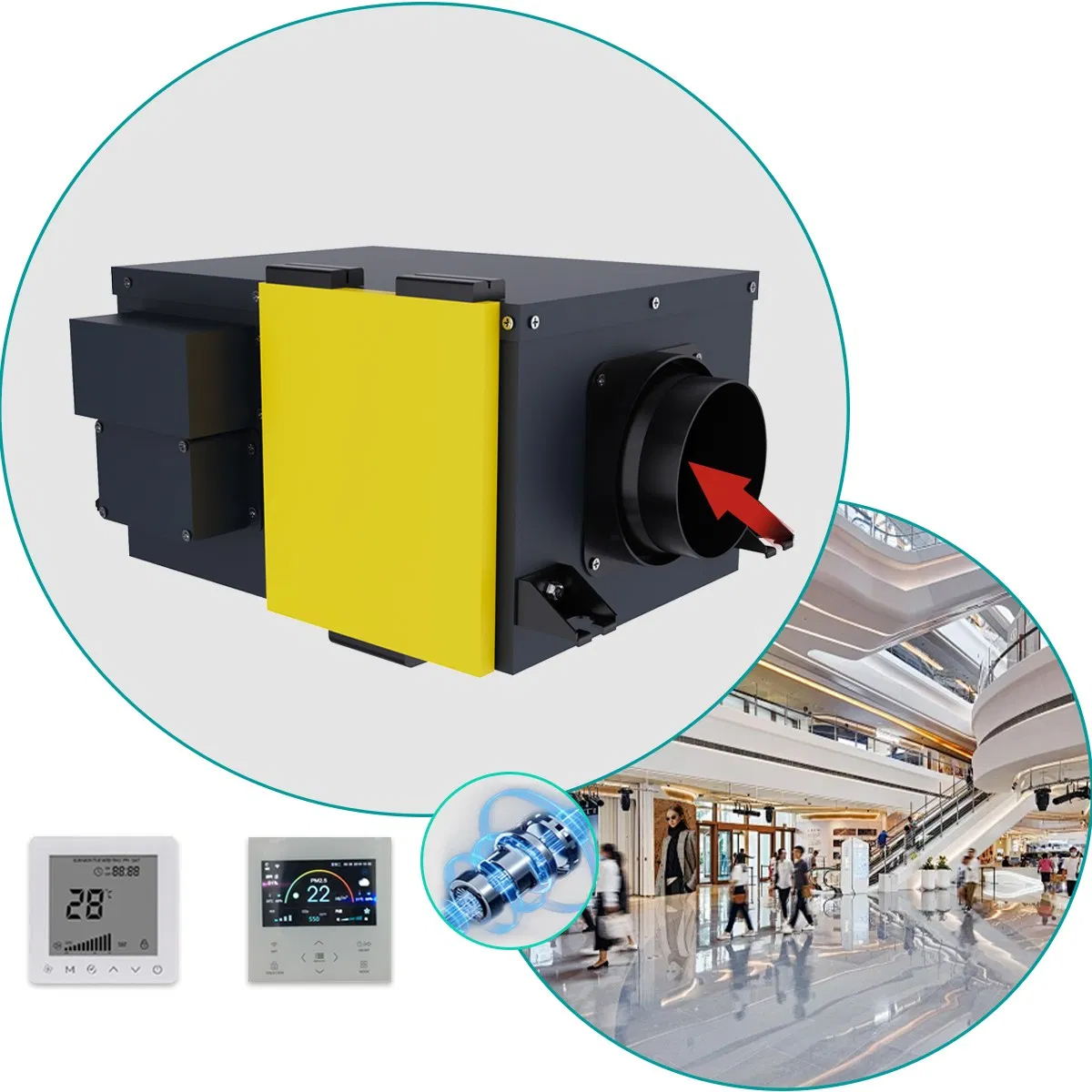
As the most popular modern solution, mechanical ventilation uses fans and duct systems for controlled air exchange. It works efficiently regardless of outdoor weather. Basic mechanical systems focus on simple air intake and exhaust, ideal for small spaces like single rooms and apartments.
These high-end intelligent systems are perfect for energy-efficient homes and commercial buildings. Beyond basic air filtration and exchange, they recover heat and moisture from exhaust air, drastically cutting down energy consumption for heating and cooling. ERV systems excel in humid climates by balancing indoor humidity levels, while HRV systems are ideal for cold regions to preserve indoor heat effectively.
Modern ventilation systems filter out dust, pollen, allergens, and airborne pollutants continuously, effectively lowering indoor CO₂ levels by 30% to 70%. They eliminate stale, recycled air and maintain a steady supply of oxygen-rich fresh air, making every breath cleaner and healthier for adults, children, and pets alike.
Clean indoor air reduces respiratory irritation, allergy flare-ups, and asthma triggers. Stable oxygen levels boost brain activity, eliminate daytime drowsiness, and improve work efficiency and sleep quality. For families with kids, the elderly, or allergy sufferers, this creates a safer and more livable indoor environment.
By balancing indoor humidity and removing excess moisture, ventilation systems stop mold, mildew, and bacteria from growing on walls, furniture, and carpets. They also eliminate musty odors and protect furniture, wooden structures, and interior decorations from damp-related damage.
Unlike window ventilation that causes energy waste, HRV and ERV systems minimize heating and cooling loss. They stabilize indoor temperatures, reduce the burden on HVAC systems, and effectively lower monthly energy bills while maintaining indoor comfort.
Air is the most basic necessity of life, yet we rarely prioritize its quality. In today’s world of well-insulated, airtight buildings, natural ventilation is no longer enough to guarantee healthy indoor air. An air ventilation system is not just a home upgrade—it is a long-term investment in your daily health, comfort, and quality of life.
Whether you are building a new home, renovating your office, or simply wanting to upgrade your indoor environment, a reliable ventilation system transforms enclosed spaces into fresh, clean, and healthy havens. Stop breathing stale, polluted indoor air—let a professional ventilation system refresh your space and let you enjoy pure, natural air indoors every single day.
 18705226241


