


Air Ventilation: Your Foundation for Healthy Indoor Air
Most people prioritize clean water, safe food, and comfortable temperatures for daily health, yet overlook one non-negotiable necessity: healthy indoor air. Modern buildings are designed to be airtight for better energy efficiency, trapping stale air, invisible pollutants, and excess moisture indoors. With the average person spending nearly 90% of their life inside homes, offices, and commercial spaces, indoor air quality (IAQ) directly shapes daily health, mood, and long-term wellness. At the very core of pristine indoor air lies simple yet powerful air ventilation—the unsung foundation of every healthy indoor environment.
This blog explores why ventilation is irreplaceable for clean indoor air, the hidden risks of poor airflow, how different ventilation methods protect your space, and actionable tips to build a reliable healthy air foundation for your home and workplace.
Healthy indoor air is not just “odor-free air.” It is balanced air with low pollutant levels, proper humidity, and sufficient oxygen content. Unlike air purifiers that only filter existing indoor air, ventilation works on a fundamental level: it creates continuous air exchange, flushing stale, contaminated indoor air out and introducing fresh, oxygen-rich outdoor air in.
Without consistent ventilation, indoor spaces become closed pollutant accumulators. Daily human activities—breathing, cooking, cleaning, and even furniture and decoration off-gassing—constantly release harmful substances. Carbon dioxide (CO₂) builds up from human respiration, volatile organic compounds (VOCs) and formaldehyde leach from paints and furniture, while dust mites, mold spores, and airborne bacteria multiply in stagnant, humid air. No air purification device can fully replace the core function of ventilation: sustained air renewal.
In short, air ventilation does not merely improve indoor air quality—it creates the basic conditions for healthy indoor air to exist.
Poor ventilation does not always trigger immediate obvious discomfort, but its long-term health impacts are cumulative and far-reaching. Most sub-health problems in modern life are closely linked to stagnant indoor air.
Elevated indoor CO₂ is the leading cause of unexplained drowsiness, poor focus, and brain fog. In unventilated offices and bedrooms, CO₂ concentrations can easily exceed safe levels, slowing brain response, reducing work and study efficiency, and causing persistent fatigue even after full rest. For students and office workers, poor ventilation directly hinders daily performance and productivity.
Stagnant indoor air traps pollen, fine dust, pet dander, and mold spores. These invisible airborne irritants continuously stimulate the respiratory system, triggering frequent coughing, nasal congestion, and allergic reactions. Long-term exposure to unventilated polluted air also weakens respiratory immunity, making occupants more susceptible to colds and respiratory infections.
Insufficient ventilation locks excess moisture indoors, creating a warm, humid breeding ground for mold, mildew, and dust mites. These microorganisms release harmful spores and allergens that degrade air quality and may cause chronic throat irritation and skin allergies. Additionally, damp air damages walls, wooden furniture, and household appliances, indirectly affecting living environment safety.
Newly renovated homes and newly furnished spaces continuously release formaldehyde, benzene, and VOCs. Without effective ventilation, these toxic gases linger indoors for years, posing long-term hidden dangers to human health, especially for children, the elderly, and pregnant women with weaker immunity.
To build a solid foundation for healthy indoor air, choosing the right ventilation method according to your space and environment is essential. The two mainstream ventilation modes each serve unique scenarios and complement each other for optimal IAQ results.
Natural ventilation via windows, doors, and roof vents is the most accessible, cost-effective way to maintain basic indoor air health. It uses natural wind pressure and temperature differences to drive air circulation, quickly discharging accumulated indoor pollutants and replenishing fresh outdoor air.
It is ideal for mild weather, open residential spaces, and daily household ventilation. A 15–20 minute cross-ventilation session every day can effectively reduce indoor pollutant concentrations and refresh indoor air. However, it is limited by external conditions: it is unreliable in extreme hot or cold weather, heavy rain, or windless days, and cannot filter outdoor pollen, dust, and smog.
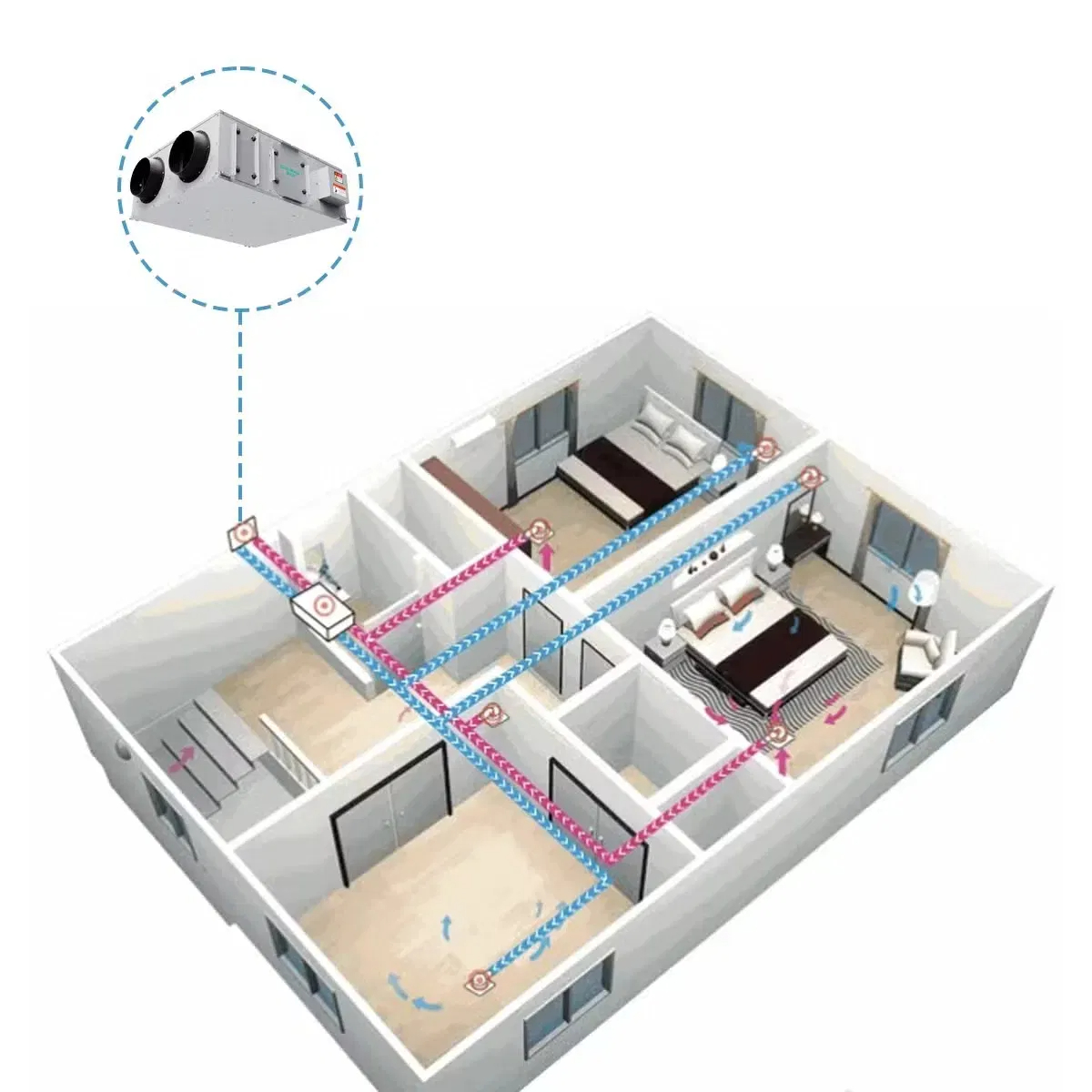
For modern airtight buildings, high-rise residences, and commercial spaces, mechanical ventilation is the reliable core of long-term healthy air quality. Devices like heat recovery ventilators (HRV) and energy recovery ventilators (ERV) deliver controlled, 24/7 air exchange independent of outdoor weather.
Beyond stable air renewal, modern mechanical ventilation systems add multi-stage filtration functions to block outdoor dust, pollen, and pollutants, ensuring the incoming fresh air is clean and harmless. Meanwhile, the heat recovery structure minimizes indoor temperature loss during ventilation, avoiding the energy waste and temperature discomfort caused by long-term window opening. It perfectly solves the dilemma of “ventilation vs. energy conservation” and maintains a stable healthy indoor air environment all year round.
Good ventilation does not rely on random window opening. Scientific and standardized ventilation habits are the key to sustaining long-term healthy indoor air.
First, prioritize timed and cross natural ventilation. Open opposite windows or doors every morning and evening to form cross airflow, which accelerates air exchange and thoroughly removes stale indoor air. Increase ventilation frequency after cooking, cleaning, and bathing to discharge moisture and oil fume in time.
Second, equip mechanical ventilation for enclosed spaces. For bedrooms, offices, and basements with poor natural ventilation, install dedicated ventilation systems to ensure continuous air circulation, avoiding pollutant accumulation in closed environments.
Third, match ventilation with air quality conditions. Avoid large-scale window ventilation on days with severe outdoor smog or high pollen counts, and switch to filtered mechanical ventilation to prevent outdoor pollutants from invading indoors.
Fourth, maintain ventilation equipment regularly. Clean ventilation filters and ducts periodically to avoid secondary pollution caused by dust and bacteria accumulation inside equipment, ensuring every intake of air is fresh and clean.
Healthy indoor air is not a luxury, but a basic daily need, and air ventilation is its most fundamental foundation. In the era of energy-efficient, airtight modern buildings, relying on natural air flow alone can no longer meet health demands. Only by combining scientific ventilation methods, standardized ventilation habits, and reliable ventilation equipment can we effectively eliminate hidden air pollution risks, balance indoor humidity and oxygen levels, and create a fresh, safe, and healthy living and working environment.
Never underestimate the power of good ventilation. It is the simplest, most cost-effective, and most essential investment in your long-term physical health and daily comfort.
 18705226241


