


A Comprehensive Guide to MVHR: The Benefits of Mechanical Ventilation
In an era where energy efficiency and indoor air quality (IAQ) are top priorities for homeowners and builders alike, Mechanical Ventilation with Heat Recovery (MVHR) has emerged as a cornerstone of modern, sustainable living. As homes become increasingly airtight to reduce energy waste, the need for effective ventilation becomes non-negotiable—and MVHR delivers on this need without sacrificing comfort or increasing costs. This comprehensive guide breaks down everything you need to know about MVHR, from its core functionality to the transformative benefits it brings to your home, health, and wallet.
Mechanical Ventilation with Heat Recovery (MVHR) is a whole-home ventilation system designed to address a critical challenge of energy-efficient homes: how to keep indoor air fresh while retaining heat. Unlike traditional ventilation methods—such as opening windows or using standalone extractor fans—MVHR operates continuously, extracting stale, moisture-laden air from your home and replacing it with fresh, filtered outdoor air, all while recovering the heat from the outgoing air to warm the incoming air.
The importance of MVHR cannot be overstated. Airtight homes, while excellent for reducing heat loss, trap pollutants, excess moisture, and stale air inside. This can lead to a host of issues, including mould growth, condensation, poor air quality, and even health problems like allergies or respiratory irritation. MVHR solves this paradox by creating a balanced, consistent airflow that keeps your home fresh, dry, and energy-efficient—all without the hassle of manual ventilation.
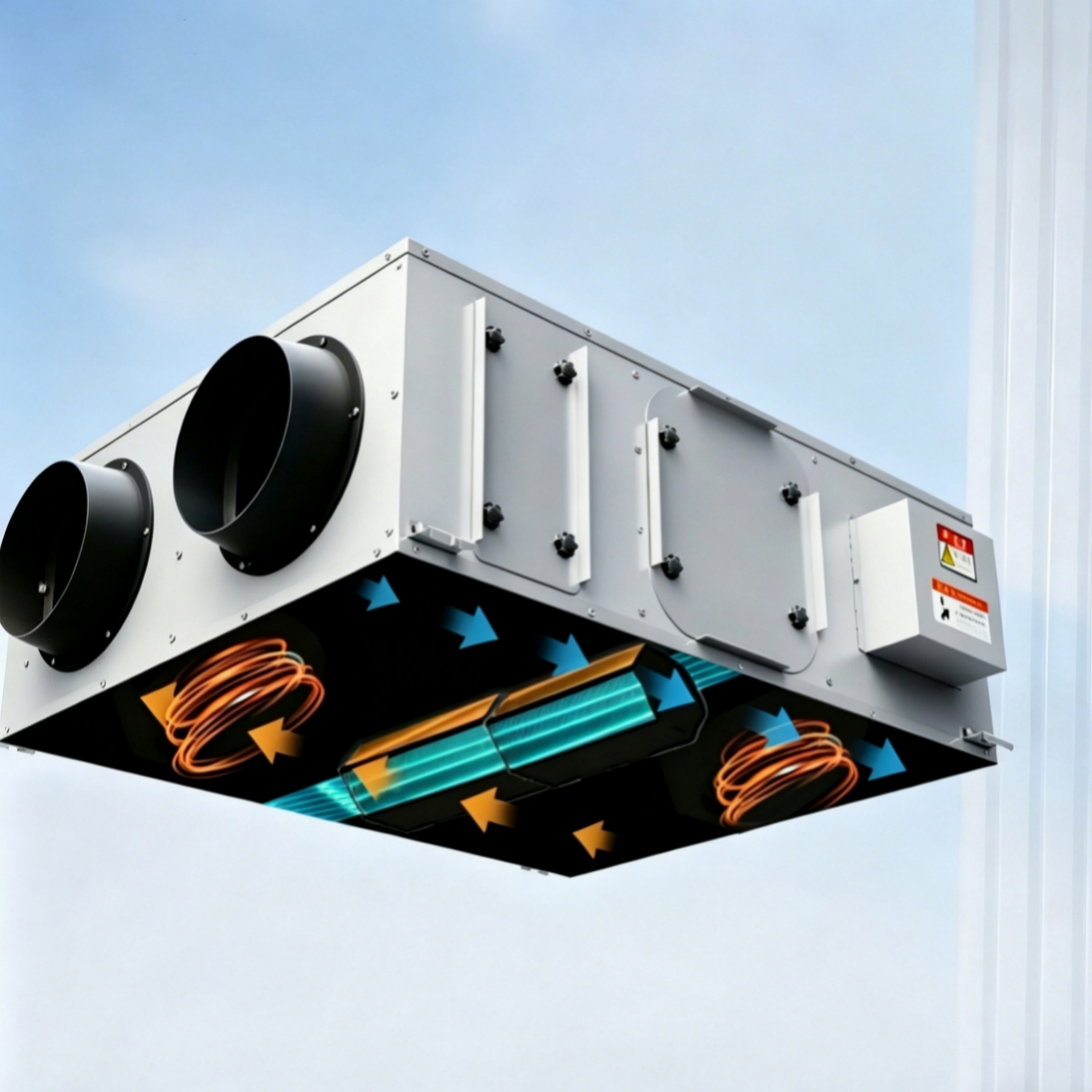
At its core, MVHR is a straightforward system, but its impact is powerful. Here’s a step-by-step breakdown of how it operates, free of technical jargon:
Extracting Stale Air: The system uses an extract fan to pull stale air from high-moisture, high-pollution areas of your home, such as kitchens, bathrooms, utility rooms, and even bedrooms. This air contains moisture from cooking, showering, and breathing, as well as pollutants like volatile organic compounds (VOCs), dust, and pet dander.
Heat Recovery: Before the stale air is expelled outside, it passes through a heat exchanger—a key component that transfers the heat from the outgoing air to the incoming fresh air. The two air streams never mix, ensuring the fresh air remains clean while capturing up to 95% of the heat that would otherwise be lost to the outdoors.
Filtering Fresh Air: Simultaneously, a supply fan draws in fresh outdoor air, which passes through high-quality filters to remove dust, pollen, allergens, and outdoor pollutants. This ensures only clean, pure air enters your living spaces.
Distributing Conditioned Air: The pre-warmed, filtered fresh air is then distributed through a network of ducts to your home’s main living areas—bedrooms, living rooms, home offices—maintaining a consistent temperature and airflow. The cycle repeats continuously, ensuring your home is always well-ventilated and comfortable.
MVHR isn’t just a “nice-to-have” addition to your home—it’s an investment that delivers long-term value in comfort, health, and sustainability. Below are the most impactful benefits of installing an MVHR system:
One of the biggest draws of MVHR is its ability to reduce energy consumption—and thus, your monthly bills. By recovering up to 95% of the heat from outgoing stale air, the system pre-warms incoming fresh air, reducing the workload on your boiler, heat pump, or other heating systems. For example, if the outdoor temperature is 5°C, the incoming air can be pre-warmed to 17–19°C, meaning your heating system only needs to raise the temperature by 1–3°C instead of 15°C. Over time, this translates to significant savings—often enough to offset the initial cost of installation within a few years.
Indoor air can be up to 5 times more polluted than outdoor air, according to the Environmental Protection Agency (EPA). Stale air trapped in airtight homes contains a mix of VOCs (from cleaning products, furniture, and paint), dust mites, pet dander, mould spores, and carbon dioxide (CO₂) from breathing. MVHR’s continuous air exchange and filtration system removes these pollutants and replaces stale air with fresh, filtered air, creating a healthier living environment. This is especially beneficial for those with allergies, asthma, or respiratory conditions, as well as families with young children or pets.
Condensation on windows, damp walls, and mould growth are common problems in airtight homes, often caused by excess moisture trapped indoors. MVHR extracts moisture-laden air from key areas (like bathrooms and kitchens) before it can condense on surfaces, maintaining optimal indoor humidity levels (between 40–60%). This not only prevents unsightly condensation and mould but also protects your home’s structure—mould can damage walls, ceilings, and even wooden fixtures over time.
Unlike opening windows (which can let in cold draughts in winter or hot, humid air in summer), MVHR maintains a steady indoor temperature and airflow. In winter, it pre-warms incoming air to keep your home cozy; in summer, many advanced MVHR systems can pre-cool incoming air (depending on the model), preventing overheating. Additionally, modern MVHR units are ultra-quiet (often operating at 20–30 decibels, quieter than a whisper), so you’ll barely notice they’re running—no more noisy extractor fans or draughty windows disrupting your comfort.
In many countries—including the UK, EU, and parts of North America—new builds and major renovations are required to meet strict ventilation standards (such as the UK’s Building Regulations Part F or the EU’s Energy Performance of Buildings Directive). MVHR systems are an easy, reliable way to comply with these standards, as they provide the continuous, balanced ventilation needed for airtight homes. They’re also a key component of Passivhaus and other high-efficiency building certifications, making them a must-have for eco-conscious builders and homeowners.
By reducing your home’s energy consumption, MVHR helps lower your carbon footprint. Less energy used means fewer greenhouse gas emissions, making your home more sustainable and environmentally friendly. For homeowners looking to live more eco-consciously, MVHR is a simple yet impactful step toward reducing their environmental impact.
Despite its many benefits, there are some common misconceptions about MVHR. Let’s set the record straight:
Myth 1: MVHR is too expensive. While the initial installation cost can seem high, the long-term energy savings often offset this investment within 3–5 years. Additionally, many governments offer grants or incentives for energy-efficient home improvements, including MVHR.
Myth 2: MVHR is hard to maintain. MVHR systems are low-maintenance—all you need to do is replace the filters every 3–6 months (a simple task) and have a professional service the unit once every 1–2 years. This is far less work than maintaining traditional ventilation systems or dealing with mould and condensation.
Myth 3: MVHR only works in new builds. While MVHR is most efficient when installed during new construction (to route ductwork easily), it can also be retrofitted into existing homes. Retrofitting may require some adjustments, but it’s still a viable option for homeowners looking to improve their ventilation and energy efficiency.
Not all MVHR systems are created equal—here are a few key factors to consider when choosing one:
Heat Recovery Efficiency: Look for systems with a heat recovery efficiency of 80% or higher—this ensures maximum energy savings.
Noise Level: Opt for units with a noise level of 30 decibels or lower to avoid disruption.
Filter Quality: Choose systems with high-quality filters (HEPA filters are ideal) to ensure optimal air purification.
Size: The system should be sized to your home’s square footage and number of rooms—an undersized system won’t provide adequate ventilation, while an oversized one will waste energy.
Controls: Look for user-friendly controls, such as smart thermostats or humidity sensors, which allow you to adjust the system to your needs.
If you want a home that’s healthy, comfortable, energy-efficient, and sustainable, MVHR is an excellent investment. It solves the biggest challenge of modern airtight homes—stale air and high energy costs—while delivering a host of other benefits, from improved air quality to reduced condensation. Whether you’re building a new home, renovating an existing one, or simply looking to upgrade your ventilation, MVHR is a long-term solution that pays off in comfort, savings, and peace of mind.
Remember, the key to getting the most out of your MVHR system is proper installation by a qualified professional. A well-designed and installed MVHR system will work seamlessly for 15–20 years, providing you with fresh air and energy savings for decades to come.
Ready to take the next step toward a healthier, more efficient home? MVHR is more than just ventilation—it’s a way to live better, save money, and reduce your environmental impact. Your home (and your lungs) will thank you.
 18705226241


